

Key takeaways
- Small items: Use 1–3 quart containers or drawers about 3–5 inches deep for magnetic tiles, figurines, toy food, puzzles, and craft supplies.
- Medium toys: Use 5–8 quart bins, approximately 10–14 inches wide, for dolls, cars, stuffed animals, and train pieces.
- Large toys: Use 10–20 quart bins or open compartments at least 12 inches wide for costumes, foam blocks, pretend-play accessories, and bulky vehicles.
- Odd-shaped equipment: Reserve one tall compartment or a 15–25 gallon open basket for dress-up clothing, play tents, balls, and oversized plush toys.
Best Toy Organizers for Neat Playrooms
The best toy organizers are modular, low enough for children to reach, sized around the toys you actually own, and easy to wipe clean—not simply the largest storage unit that fits against a wall.
For toddlers, choose shallow open bins and rounded, stable shelving; for older children, combine labeled bins with deeper drawers or cubbies; for shared spaces, prioritize a narrow footprint, flexible compartments, and storage that can be reset quickly. The right choice depends less on appearance than on access, capacity, safety, and how often the room has to be tidied.
Our top picks


As an Amazon Associate we earn from qualifying purchases at no extra cost to you. Ratings are shown as listed on Amazon.
Quick picks by playroom situation
| Situation | Best organizer type | Useful specifications | Why it fits |
|---|---|---|---|
| Toddler playroom | Low cubby shelf with soft-sided bins | 24–30 in. high; bins 10–14 in. wide; rounded or covered edges | Encourages independent access without requiring climbing |
| Small apartment or shared living room | Vertical cabinet or slim rolling cart | 10–14 in. deep; 24–36 in. wide; locking casters if mobile | Uses wall height or can move out of the main walkway |
| Large collection of building toys | Modular drawer tower | Drawers at least 3–5 in. deep; removable, washable labels | Keeps small pieces sorted and makes inventory visible |
| Older children | Mixed open shelving and lidded containers | 12–16 in. shelf spacing; containers with 3–8 gal. capacity | Accommodates games, crafts, sports equipment, and projects |
| Frequent cleanups by the whole family | Open bins in a labeled cube system | 6–9 equal compartments; one category per bin | Reduces sorting time and makes misplaced toys easy to spot |
Match bin size to the toys
Bin dimensions determine whether an organizer stays tidy. A container that is too small causes overflow; one that is too deep becomes a “toy pit” where pieces disappear. Aim to fill each bin to roughly two-thirds of its usable height so children can see and retrieve contents without dumping everything out.
- Small items: Use 1–3 quart containers or drawers about 3–5 inches deep for magnetic tiles, figurines, toy food, puzzles, and craft supplies.
- Medium toys: Use 5–8 quart bins, approximately 10–14 inches wide, for dolls, cars, stuffed animals, and train pieces.
- Large toys: Use 10–20 quart bins or open compartments at least 12 inches wide for costumes, foam blocks, pretend-play accessories, and bulky vehicles.
- Odd-shaped equipment: Reserve one tall compartment or a 15–25 gallon open basket for dress-up clothing, play tents, balls, and oversized plush toys.
Do not put mixed small pieces in a deep floor basket simply because it has more capacity. A shallow drawer or divided box usually provides more usable storage because children can see the collection and return pieces to it.
Choose shelf height for the child, not the room
For toddlers, the most useful shelf surface is generally 18–30 inches from the floor. This range keeps frequently used toys reachable while reducing the temptation to climb. Shelves intended for preschoolers can rise to approximately 36 inches, with heavier items kept below shoulder height.
Older children can use storage up to 48–60 inches high, but the upper shelves should hold lightweight, occasional-use items such as seasonal crafts or spare blankets. Avoid placing a heavy bin above a child’s head, even when the furniture is anchored.
Open shelving is convenient, but it must be secured to a wall stud or an appropriate anchor for the wall material. A tall unit that seems stable when empty can become front-heavy after children load the top compartments.
Open bins versus drawers versus cabinets
Open bins and cubbies
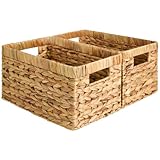
Open storage is usually the best choice for toddlers and high-frequency play. It makes categories visible and allows a quick five-minute reset. Look for smooth, wipeable laminate, sealed wood, or durable plastic. Soft fabric bins are lighter and quieter, but they can collapse, absorb spills, and lose their shape at the front edge.
Drawers
Drawers are better for collections that need sorting: construction pieces, art materials, action figures, and game accessories. Check that the drawer stop prevents accidental removal and that the handle does not create a sharp protrusion. Transparent drawers improve visibility, although opaque drawers look calmer in a living area.
Cabinets with doors
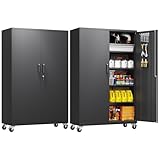
Cabinets conceal visual clutter and protect toys from dust, but they slow down access and can encourage children to pile items inside. They work well for shared spaces, especially when the doors are soft-close and the shelves are adjustable. Avoid slatted or vented doors if small pieces can be pushed through and lost.
Safety features worth paying for
- Tip restraint: A supplied wall-anchoring kit is preferable to relying on furniture weight.
- Rounded edges: Important on low shelves that children pass while carrying toys.
- Stable base: Wide feet or a plinth are more reliable than narrow legs on carpet.
- Controlled mobility: Rolling carts should have lockable casters and should not be used as climbing aids.
- Safe hardware: Recessed handles, covered screws, and doors without accessible pinch points reduce everyday hazards.
- Non-toxic finish information: Prefer clearly identified water-based finishes and allow newly assembled furniture to air out according to the manufacturer’s instructions.
Storage furniture is not a substitute for supervising age-inappropriate toys. Small parts should be kept away from children who still put objects in their mouths, and heavy or breakable items belong in adult-accessible storage.
Cleaning and durability: what matters after purchase
The surfaces that wear first are usually bin rims, drawer runners, caster wheels, and fabric seams. A realistic organizer should tolerate repeated pulling, overfilling, and wiping. Sealed plastic and laminate generally handle spills better than unfinished wood. If you prefer fabric bins, choose removable liners or polyester fabric with a firm reinforced base.
Before buying, check whether replacement bins are sold in the same dimensions. A damaged proprietary drawer can make an otherwise useful unit difficult to repair. Standard cube-compatible bins are easier to replace, but measure the opening rather than assuming all “cube” furniture uses identical compartments.
For routine maintenance, empty one category at a time, vacuum crumbs from corners, and wipe hard surfaces with a lightly damp cloth. Do not saturate engineered wood or leave wet plastic bins against a wood shelf. Wash fabric bins only when their care label permits it; otherwise spot-clean and dry them completely to prevent musty odors.
A practical capacity calculation
Suppose a family has 36 medium-sized toy sets and estimates that each requires about 1.5 quarts when stored without forcing pieces into a container. The minimum volume is:
36 sets × 1.5 quarts = 54 quarts.
Because bins should not be packed completely full, divide that figure by approximately 0.7:
54 ÷ 0.7 = about 77 quarts of practical capacity.
That could mean ten 8-quart bins, or six 8-quart bins plus a few shallow drawers for smaller accessories. This calculation is more useful than selecting a unit by its advertised total volume, since unusable corners and overfilled bins reduce real capacity.
How to set up an organizer so it stays organized
- Measure the footprint. Record available width, depth, height, door clearance, and walkway space. Leave at least 30 inches of comfortable passage where people regularly walk.
- Sort by play activity. Group building toys, vehicles, pretend play, books, puzzles, and art supplies rather than sorting every item by color.
- Place daily-use toys low. Keep occasional or adult-supervised activities higher up or behind doors.
- Assign one container per category. If a category overflows, reduce the collection or add a second clearly labeled bin rather than mixing unrelated toys.
- Label with words and pictures. Picture labels help pre-readers; written labels become useful as children grow.
- Reserve one return bin. A temporary “sort later” bin prevents cleanup from becoming a long classification task. Empty it during a weekly reset.
How much should you spend?
Basic plastic bins and simple fabric cubes commonly cost about $5–$20 per container. A basic cube unit or low shelf often falls in the $40–$120 range, while sturdier wood-look shelving, modular drawer systems, and enclosed cabinets commonly run from $120 to $400 or more, depending on materials and hardware.
For a tight budget, buy fewer, larger categories and prioritize a wall-anchored low shelf. For a high-traffic family room, spending more on sealed surfaces, replaceable bins, and reliable drawer runners can lower ownership costs over several years. The cheapest organizer is poor value if it flexes, tips, or requires replacing every fabric bin after one season.
Final recommendation
For most families, the best toy organizers are a low, anchored shelf with a mixture of shallow bins for small parts and larger open compartments for bulky toys. Add lidded containers only for seasonal or infrequently used items. Measure the toys and the room first, keep daily-use storage within reach, and choose surfaces that can survive thousands of wipe-downs. That combination creates a playroom children can use independently and adults can reset without sorting an entire floor.




Write Your Review
No reviews yet. Be the first to share your experience!