

Key takeaways
- Choose a compact low resin cabinet for a balcony, a tall adjustable-shelf resin model for ordinary garden and patio supplies, and a galvanized-steel cabinet when load capacity and security are priorities. Whatever the material, prioritize the correct interior dimensions, a genuine door seal, lock compatibility,…
The best outdoor storage cabinets are resin or galvanized-steel models with adjustable shelves, a door seal, lock-compatible handles, and a way to anchor the cabinet to a wall or slab; the right size depends on whether you are storing hand tools, long garden equipment, or bulky patio supplies.
For most homes, a resin cabinet about 30–36 inches wide, 18–24 inches deep, and 65–72 inches tall offers the best balance of capacity, weather resistance, and footprint. Choose a compact low cabinet for a balcony or covered porch, a tall utility cabinet for tools and chemicals, or a heavy-duty steel cabinet where security matters more than easy assembly.
Our top picks


As an Amazon Associate we earn from qualifying purchases at no extra cost to you. Ratings are shown as listed on Amazon.
Best outdoor storage cabinets by situation
| Situation | Best cabinet type | Useful size range | Features to prioritize | Typical market range |
|---|---|---|---|---|
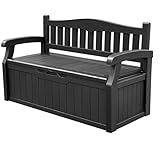
| Small balcony or apartment patio | Low resin cabinet | 28–36 in W × 16–20 in D × 30–40 in H | Water-resistant lid, removable shelf, compact doors | $100–$250 |
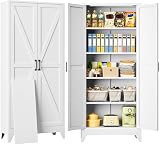
| General garden tools and supplies | Tall resin utility cabinet | 30–36 in W × 18–24 in D × 65–72 in H | Adjustable shelves, lockable handles, anchoring points | $180–$450 |
| Pool, patio, or grilling supplies | Wide horizontal cabinet | 45–60 in W × 20–28 in D × 32– forty in H | Wide doors, reinforced base, moisture-resistant shelves | $250–$650 |
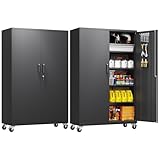
| High-security tool storage | Galvanized-steel cabinet | 30–48 in W × 18–24 in D × 60–72 in H | Three-point lock, thick steel, wall or floor anchoring | $350–$1,000+ |
| Covered porch with frequent access | Resin cabinet with hinged doors | 24–36 in W × 18–22 in D × 36–72 in H | Easy-clean interior, full-opening doors, adjustable shelves | $150–$400 |
The “40” in the pool and patio row should be read as 40 inches; check the manufacturer’s published dimensions before ordering, since cabinet measurements and usable interior measurements are not always the same.
What to look for before buying
1. Dimensions and usable capacity
Exterior dimensions tell you whether a cabinet will fit, but interior dimensions determine whether it will be useful. Allow at least 2 inches of clearance on each side for doors, handles, uneven walls, and ventilation. If placing the cabinet beneath an eave, measure the lowest point of the roofline and leave enough room to open the lid or top-hinged doors.
For hand tools, a cabinet 18 inches deep is usually sufficient. Long-handled tools such as rakes, shovels, and brooms generally need a tall compartment at least 65 inches high, or a separate side rack. A 24-inch depth is better for boxed fertilizer, folded chair cushions, watering cans, and larger storage bins, but it also occupies more walking space.
Think in terms of shelf clearance rather than total volume. A cabinet may advertise several cubic feet of capacity, yet fixed shelves can make it impossible to store a tall watering can or a pressure-washer hose reel.
2. Shelf adjustability and load rating
Adjustable shelves are more valuable than an extra shelf. Look for shelf positions spaced roughly 2–4 inches apart, so you can create one tall bay and several shorter bays. Removable shelves are useful when storing a mower battery, cooler, large planter, or folded outdoor textiles.
Pay attention to the stated shelf load. Light resin shelves may support about 20–40 pounds each, while reinforced shelves or steel cabinets may support 50–100 pounds or more. Store heavy items on the lowest shelf, keep the weight centered, and do not assume that a cabinet’s total capacity equals the capacity of every shelf.
3. Weather seals and moisture control
“Weather resistant” does not always mean waterproof. The most useful protection comes from overlapping doors, a raised threshold, a roof overhang, and a continuous gasket or brush seal around the opening. Hinged doors that meet in the center should have a covered seam; otherwise wind-driven rain can enter even when the panels appear closed.
For cushions, paper bags, power-tool cases, or anything vulnerable to damp air, use lidded plastic bins inside the cabinet. Add a small rechargeable moisture absorber or desiccant container, and avoid placing wet hoses or muddy tools directly against the cabinet floor. Ventilation can reduce condensation, but vents should be screened and positioned so rain cannot blow directly inside.
4. Locking options
A lockable handle is a useful deterrent, not automatically high security. A simple padlock loop works for keeping children out and discouraging casual access. For valuable tools, choose a steel cabinet with a concealed or three-point locking system and a hasp protected from bolt cutters.
Check whether the lock is included. Many outdoor cabinets accept a padlock but require you to supply one. A weatherproof shrouded padlock is preferable to a small indoor lock, and stainless or coated hardware is less likely to seize in damp conditions.
5. Anchoring and stability
Anchoring is essential for tall, lightly loaded cabinets. Resin cabinets can be surprisingly top-heavy when shelves are full of lightweight containers, and wind can move an unanchored unit across a patio. Look for predrilled holes in the rear or base, then fasten the cabinet to a masonry wall, timber frame, or concrete slab using hardware suited to that surface.
Do not anchor through a thin plastic panel alone. Use the manufacturer’s reinforced points or add a backing washer and structural support. On a paver patio, secure the cabinet to a stable frame or anchoring plate rather than drilling into a loose paver. Keep the cabinet level; a twisted frame can prevent doors from sealing and locking.
Resin versus steel: which material wins?
Resin is usually the better choice for general patio storage. It does not rust, is relatively light, and is easy to wash. Brands such as Suncast and Keter offer outdoor resin storage products in compact, tall, and horizontal formats. Resin can become brittle after years of intense sun, however, and thin shelves may bow under dense loads.
Galvanized or powder-coated steel is preferable for tools, security, and heavy shelving. It is harder to pry open and usually supports more weight. The trade-offs are greater weight, potential corrosion at scratches or cut edges, hotter interior temperatures, and more complicated assembly. Inspect fasteners and seams periodically, especially in coastal environments.
Wood can look best on a traditional porch, but it requires the most maintenance. Even treated or painted wood needs periodic sealing, careful ground clearance, and inspection for swelling around doors. It is a design choice rather than the lowest-maintenance option.
A practical fit calculation
Suppose you need to store six 18-inch-wide bins in two rows of three. A cabinet with 36 inches of exterior width may not fit them: after allowing approximately 2 inches for each side wall and the center divider or door overlap, usable width may be only 32–34 inches. Three bins side by side need 54 inches, so you would need a cabinet at least 58–60 inches wide, or stack the bins vertically.
For a 36-inch-wide cabinet, a more realistic layout is two 16-inch bins side by side, leaving several inches for clearance. Measure the actual bin width, not the nominal size printed on its label, and allow space for your fingers to remove it.
Setup and maintenance that extend cabinet life
- Prepare a level base. Use concrete, a properly supported deck section, or a rigid outdoor platform. Avoid placing the cabinet directly on soil, where moisture and settling can distort the base.
- Assemble on a calm, dry day. Resin panels can flex during assembly, and forcing misaligned doors can damage hinges or locking rods.
- Anchor before filling it. An empty cabinet is easier to square and secure, and anchoring prevents a later wind event from shifting it.
- Set shelves around the contents. Keep heavy items low, leave clearance above bins, and avoid pressing objects against door seals.
- Clean twice a year. Remove grit from tracks and hinges, wash resin with mild soap, and inspect steel for chipped coating or rust.
- Check the seal and hardware. Replace flattened gaskets, tighten loose hinge screws, and use a suitable dry lubricant on metal locking rods.
The parts most likely to wear first are door hinges, plastic shelf supports, locking rods, and weather seals. Replacement availability matters, so check whether the manufacturer sells hardware before choosing an unusual cabinet design. Do not overload shelves, store leaking containers inside, or use a cabinet as a substitute for approved storage of hazardous chemicals; follow the product label and local safety requirements.
Bottom line
Choose a compact low resin cabinet for a balcony, a tall adjustable-shelf resin model for ordinary garden and patio supplies, and a galvanized-steel cabinet when load capacity and security are priorities. Whatever the material, prioritize the correct interior dimensions, a genuine door seal, lock compatibility, and secure anchoring over decorative features or advertised cubic capacity. Those four details determine whether the cabinet remains dry, stable, and useful after the first season.






Write Your Review
No reviews yet. Be the first to share your experience!