

Our Top Picks
 Veken Non Slip Cushioned Rug Pad Gripper8' x 10' (Rectangular)120 x 96 x 0.24 inches13.82 poundsCheck on Amazon

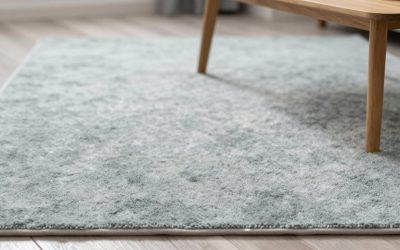
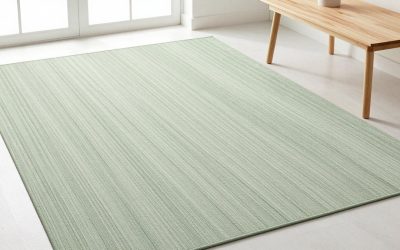
The best rugs for wood floors are wool, cotton-backed or flatweave rugs paired with a felt or felt-and-natural-rubber pad, because the pad and backing, not the rug’s looks, decide whether the finish stays clear and the rug stays put. Avoid rugs and pads with PVC, latex or synthetic-rubber backing unless the maker says they are safe for your finish. Below are four rugs and three pads that make a safe system on hardwood, plus three alternates, with the material, backing and sizing rules that protect the floor.
Key takeaways
- Felt is the lowest-risk contact layer for a floor finish; felt with 100 percent natural rubber is widely accepted for grip. Check the label for “safe for hardwood.”
- PVC, latex, crumb rubber and adhesive backings can discolor or leave residue on some finishes, so put a felt barrier under rugs that come with those.
- A 1/4 inch felt pad suits most area rugs; trim the pad about 1 inch shorter than the rug on every side.
- Wool breathes and resists crushing, while washable synthetic rugs are lighter and easier to clean but depend heavily on the pad.
- Lift the rug every few months, clean underneath and rotate it so the floor ages evenly.
Best rugs for wood floors at a glance
| Pick | Best for | Material and size (from listing) | Backing / contact layer | Tier |
|---|---|---|---|---|
| SAFAVIEH Natura | Low-profile natural wool look | Hand-woven wool and PET, 1/4″ low pile, 8′ x 10′ | Pair with a felt pad | Premium |
| ANSSO Wool 8×10 | Soft wool with a built-in cotton backing | 80% Merino wool, 20% cotton, tufted | Cotton non-slip backing | Premium |
| Goyuu Washable Faux-Wool | Washable, family rooms | Faux wool blend, 8×10, machine washable | Non-slip backing (check material) | Mid-range |
| AMADA Washable 8×10 | Budget, low-profile rooms | Washable, soft low-profile, 8×10 | Non-slip (check material) | Budget |
| RUGPADUSA Basics | Safest contact layer | 100% felt, 8’x10′, 1/4″ thick | Felt only | Mid-range |
| Mohawk Home Dual Surface | Grip plus cushion | 8′ x 10′, 1/4″ thick | Non-slip rubber grip, cushion side | Mid-range |
| Veken Felt and Silicone | Pad that grips without rubber | 8 x 10 ft, 1/4″ thick | Felt and silicone backing | Mid-range |
The listings are the source for sizes and materials. Always confirm the exact backing on the maker page and compare it with your floor finish manufacturer’s advice.
How we chose rugs and pads for wood floors
This is research, not personal use. We read current product listings and maker pages and published rug-pad and hardwood-floor guides, then compared fibers, backings, thickness and stated materials. We included four rugs and three pads because on a wood floor they work as one system. We kept new items only, at most two per brand, no bundles or parts, and described cost in words. The pad chemistry guidance reflects what flooring and pad sources commonly advise, and where sources disagree we say so.
1. SAFAVIEH Natura Wool: Best low-profile wool look
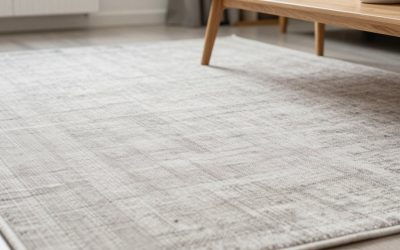
The Natura collection is flat, textured and quiet: hand-woven wool with PET, a 1/4 inch low pile and an 8′ x 10′ size in Farmhouse Pebble Beige, made in India per the listing.
- Hand-woven wool and PET blend
- 1/4″ low pile · 8′ x 10′
- Natural, breathable fibers with no listed rubber backing
- Premium tier
Best for: living rooms and dining rooms where a thin, flat rug should sit calmly on hardwood. Skip if: you need a washable rug; wool needs blotting and professional cleaning for large stains.
Because the listing mentions no backing, treat this as a rug that needs a pad. A felt pad is the most conservative partner because it touches the floor with a soft, non-abrasive layer. Hand-woven constructions lie flatter than tufted rugs, which helps with door clearance, and low pile makes chairs and robot vacuums easier. The PET portion adds resilience, but check the maker page for care instructions before using a steam cleaner.
Pros: breathable fibers; flat profile; no synthetic backing to react with the finish. Cons: premium tier; not washable; needs a separate pad.
As an Amazon Associate we earn from qualifying purchases at no extra cost to you.

2. ANSSO Wool 8×10: Best soft wool with a cotton backing
The ANSSO listing gives an 80 percent Merino wool, 20 percent cotton composition in a soft tufted rug with a cotton non-slip backing, in beige cream, for bedrooms, dining and home offices.
- 80% Merino wool · 20% cotton
- Soft tufted construction · 8×10
- Cotton non-slip backing per the listing
- Premium tier
Best for: bedrooms and living rooms where you want a soft surface and a backing that does not rely on rubber or PVC. Skip if: you need an easy-wash rug; tufted wool is a dry-clean or professional-clean material.
A cotton backing is a friendlier contact layer than vinyl dots, but “non-slip” is still a texture on the surface, so ask the maker whether a thin felt barrier is advised on your floor. Tufted wool sheds fibers for the first weeks, which is normal for new wool and settles with regular vacuuming. Merino is soft but not the most abrasion-resistant wool, so lighter traffic suits it better than a hallway.
Pros: soft; natural-fiber backing; neutral look. Cons: premium tier; not machine washable; shedding at first.

3. Goyuu Washable Faux-Wool: Best washable option for family rooms
Goyuu’s 8×10 rug is machine washable with a faux wool blend, in natural ivory, with a non-slip backing and an “easy care” label aimed at busy living spaces and dining rooms.
- 8×10 · faux wool blend · natural ivory
- Machine washable
- Non-slip backing per the listing
- Mid-range tier
Best for: homes with kids, pets or frequent guests where washing matters more than a wool feel. Skip if: your finish is sensitive; the listing does not name the backing material, so ask the maker.
The question to settle is the backing. If the maker states a natural or breathable backing, a thin felt pad may be enough; if the backing is synthetic or latex-based, put a felt barrier between the rug and the floor. Washable rugs flex, so a pad also stops corners from curling and the whole rug from creeping when you step on one side.
Pros: machine washable; soft; mid-range tier. Cons: backing not specified in short text; lighter rugs slide more; synthetic fibers do not breathe like wool.

4. AMADA Washable 8×10: Best budget low-profile rug
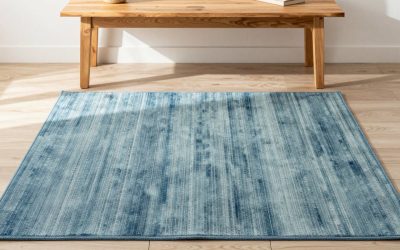
AMADA’s 8×10 blue washable rug lists non-slip, low-profile, soft texture, pet friendly and easy-to-clean claims, with vintage styling.
- 8×10 · washable · low-profile
- Soft texture · pet friendly
- Non-slip per the listing
- Budget tier
Best for: rentals and secondary rooms where cost matters and the floor is protected by a separate felt pad. Skip if: the floor is new or recently refinished; use a felt barrier and wait for the finish to cure.
Budget rugs are where backing mismatches show up, so plan the system around the pad rather than the rug’s own grip. A low profile helps with doors and furniture legs, while washable construction makes it easy to refresh after pets. The listing’s non-slip wording does not tell you what the backing is, which is why a felt layer is the safe default.
Pros: lowest rug cost here; washable; low profile. Cons: backing unspecified; thin; durability data limited.

5. RUGPADUSA Basics Felt: Best safest contact layer
RUGPADUSA Basics is a 100 percent felt, 1/4 inch thick pad in 8’x10′, described as safe for all floors and finishes including hardwoods, with protective cushioning.
- 100% felt · 1/4″ thick
- 8′ x 10′ · trim to fit
- Safe for hardwoods per the listing
- Mid-range tier
Best for: any rug on hardwood where you want the most conservative contact layer, especially rugs with PVC, latex or unknown backings. Skip if: the rug is light and slippery; a felt-only pad adds cushion but little grip on its own.
Felt-only pads are favored by flooring specialists who worry about rubber chemistry, since nothing in the pad reacts with finish. Dense felt grips the rug with friction, and in practice it works best under heavier rugs like wool, where weight does the holding. Under a light rug, a felt pad can allow creeping at the edges.
Pros: low-risk material; cushioning; sound absorption. Cons: less grip; thickness may touch door bottoms; needs trimming.

6. Mohawk Home Dual Surface: Best for grip plus cushion
Mohawk Home’s 8′ x 10′ pad is 1/4 inch thick with a dual-surface build: a non-slip rubber grip on one side, a cushion on the other, advertised for floor protection, noise reduction and easy trimming.
- 8′ x 10′ · 1/4″ thick · dual surface
- Non-slip rubber grip with a cushion layer
- Noise reduction · trims to fit
- Mid-range tier
Best for: light or washable rugs that slide on hard floors. Skip if: your floor is older or has a delicate finish and the listing does not specify the rubber type; confirm it with the maker.
The detail that matters here is the type of rubber in the grip layer. Flooring sources are divided: some accept felt with natural rubber, others advise felt only because any rubber touches the floor. Read the maker’s page for the rubber composition and the finish warning, and check the floor under the pad after the first few weeks.
Pros: grips light rugs; cushion layer; reduces noise. Cons: rubber type not stated in the short listing; thicker; some floors may react.

7. Veken Felt and Silicone Pad: Best grip without a rubber backing
Veken’s cushioned pad pairs felt with a silicone backing in 8 x 10 ft and 1/4 inch thickness, with an anti-slip strip pattern, designed for hardwood floors.
- 8 x 10 ft · 1/4″ thick
- Felt and silicone backing · dark gray
- Anti-slip strip pattern
- Mid-range tier
Best for: shoppers who want grip but prefer to avoid a rubber layer against the floor. Skip if: the maker does not list a finish-safe claim for your floor; verify before laying it down.
Silicone differs from rubber chemically, which is why some owners choose it. It is not automatically safe on every finish, so apply the same rule: confirm the safe-for-hardwood wording, and after a few weeks lift an edge to check for tackiness or marks.
Pros: grip with a felt top; thick enough for cushion; trim to fit. Cons: mid-range tier for a pad; silicone is less common and needs a maker check; dark gray shows lint.

Also consider
SAFAVIEH Dip Dye Wool
An 8×10 hand-tufted wool rug with a 1/2 inch medium pile, in light blue and ivory. The deeper pile is plush but thicker than the Natura, so check door clearance and use a felt pad that is not overly thick. Premium tier.

RUGPADUSA Dual Surface
The felt-plus-rubber version of RUGPADUSA in 8’x10′ and 1/4 inch thickness, with a non-slip backing. A good partner for lighter rugs, but read the maker page for the rubber type. Mid-range to premium tier.

GORILLA GRIP Slip-Resistant Rug Gripper
A small 2×3 gripper pad for hardwood, tile and vinyl, useful for runners, mats and small rugs rather than room-size rugs. It is a budget fix for corners, but check the maker’s finish guidance before leaving it down for months.

How to choose rugs for wood floors: the system
What can go wrong on hardwood
Wood floors are harmed by four things under a rug: chemical reaction between the finish and the backing, grit trapped between rug and floor, moisture held against the surface, and uneven sun exposure. Flooring and pad sources point to PVC (which can contain plasticizers), crumb rubber from recycled tires, synthetic latex and adhesive pads as the usual culprits for cloudy hazing, color change or a tacky residue. Felt and natural rubber are the usual safe choices, with felt-only recommended by the strictest sources.
Match the pad to the rug
| Rug type | Recommended contact layer | Why |
|---|---|---|
| Heavy wool, hand-woven (SAFAVIEH Natura) | 1/4″ felt (RUGPADUSA Basics) | Weight holds it; felt protects finish |
| Tufted wool with cotton backing (ANSSO) | Thin felt or felt with natural rubber | Extra grip, still gentle |
| Lightweight washable rug (Goyuu, AMADA) | Felt with grip (Veken or Mohawk), or felt plus a separate grip | Light rugs creep |
| Rug with PVC or latex backing | Felt barrier 1/8″ to 1/4″ | Separates backing from finish |
| Runner or small mat | Small gripper (GORILLA GRIP) with a finish check | Corners and small rugs lift easily |
Size the pad correctly
Pads are normally cut about 1 inch smaller than the rug on every side, so the rug’s edge does not lift or show the pad. For an 8×10 rug, which is 96 by 120 inches, that means a pad of about 94 by 118 inches. An 8×10 pad therefore needs trimming by roughly 2 inches in each direction, which is why the “trim to fit” claims on pad listings matter. Cut it on a clean flat surface with a sharp utility knife and a straightedge.
Check thickness against clearances
Add the rug’s pile height to the pad. A 1/4 inch low-pile rug on a 1/4 inch pad stands about 1/2 inch above the floor; a 1/2 inch pile rug on the same pad stands about 3/4 inch. Doors, floor vents and dishwasher fronts can catch on that height, so measure under the door and decide whether you need a 1/8 inch pad instead.
Compare rug types for wood floors
| Material | Floor friendliness | Cleaning | Watch for |
|---|---|---|---|
| Wool (hand-woven or tufted) | Breathes, natural fibers | Vacuum, blot, professional clean | Shedding when new; moths if stored damp |
| Cotton flatweave | Gentle, thin | Often washable | Slides without a pad |
| Washable polyester or blend | Depends on the backing | Machine or hand wash | Backing material, often unspecified |
| Synthetic indoor-outdoor | Resists moisture | Easy wipe clean | Rubberized backing on some |
| Jute or sisal | Rough fibers can scuff finishes | Dry vacuum | Absorbs moisture, sheds fiber dust |
Floor care, sun and moisture
Under any rug, grit is the quiet enemy: it grinds into the finish whenever someone walks across, so vacuum both the rug and the floor beneath it regularly. Use a vacuum with the beater bar off or a suction-only setting on wool rugs, and do not drag a steam mop across the floor with the pad in place. Sunlight can lighten a floor in an uncovered area and leave a darker rectangle where the rug sat; rotate the rug a half turn every six months and move it a few inches after a season or two.
For a new or freshly refinished floor, wait until the finish has fully cured, as advised by the finish maker, before laying a rug or pad; an uncured finish can bond to the contact layer. If you have radiant heating, check both the floor and rug-pad makers’ guidance on temperature before laying a rug.
Lift the rug every few months, especially in humid seasons, and look for hazing, a tacky feel or a raised imprint on the floor. If you see any, remove the pad and let the floor air out; a flooring professional can advise on whether the finish needs attention. Pet accidents on a rug can seep to the pad and floor, so lift and clean promptly.
Placement and sizing on a wood floor
Wood is part of the room’s look, so size the rug to frame it rather than cover it. In a living room, a common approach is to leave 12 to 18 inches of bare floor between the rug and the walls, and to have at least the front legs of sofas and chairs on the rug. In a bedroom, let the rug extend about 18 to 24 inches beyond the sides and foot of the bed so your feet land on it in the morning. For an 8×10, that means a 96 by 120 inch rectangle, which suits a room of roughly 12 by 14 feet with a clear border.
Furniture legs deserve their own protection. Heavy sofa and table feet press into a pad over time, so move them a few inches now and then and use wide felt or rubber-free glides to spread the load. Avoid placing a rug where a door swings across it, and keep the pad out of doorways where it could curl. If a rug sits over a floor vent or radiator, leave airflow clear; trapped heat and moisture are the conditions flooring guides warn about most.
Decision matrix by situation
| Your situation | Choose | Why |
|---|---|---|
| Newly finished or older delicate floor | Wool rug plus RUGPADUSA Basics felt | No rubber contacts the finish |
| Kids and pets, need washing | Goyuu or AMADA with Veken or Mohawk pad | Washable rug plus grip |
| Heavy wool rug, low traffic | SAFAVIEH Natura with felt | Weight holds it; felt protects |
| Want soft feel, bedroom | ANSSO with thin felt | Soft wool with cotton backing |
| Rug creeps on slick boards | Veken felt and silicone, or Mohawk dual surface | Adds grip; check finish guidance |
| Limited door clearance | Flat-weave rug with a thin felt pad | Keeps the stack low |
| Small runner or mat | GORILLA GRIP gripper, checked periodically | Small pieces need local grip |
Frequently asked questions
Do I need a rug pad on a hardwood floor?
Usually yes. A pad protects the finish from the rug’s backing and from abrasion, adds cushion and keeps the rug from sliding. Some heavy wool rugs stay put on their own, but a felt pad is still a low-cost safeguard.
Can a rubber-backed rug damage wood floors?
Some can. Sources warn that PVC, crumb rubber and synthetic latex may discolor finishes or leave residue, especially if left for years in the same spot. Use a felt barrier or a pad labeled safe for hardwood, and check underneath regularly.
Is felt or felt with rubber better?
Felt only is the lowest-risk option. Felt with 100 percent natural rubber is widely accepted and adds grip. Some flooring professionals prefer felt only because the rubber still touches the floor, so follow your floor maker’s guidance.
What size pad should I buy for an 8×10 rug?
Buy an 8×10 pad and trim it about 1 inch from each side, so the pad is roughly 94 by 118 inches. That keeps the pad hidden and the rug’s edge flat.
What rug material is best for wood floors?
Wool is a strong choice because it is natural and breathable, though not washable. Cotton flatweaves are gentle, and washable synthetics are practical if you pair them with a felt pad to protect the finish.
How thick should a rug pad be?
Most area rugs suit a 1/4 inch felt pad; use 1/8 inch under thin rugs or when door clearance is tight. Add the pad and pile heights to check clearance.
How often should I move the rug?
Lift and clean underneath every few months and rotate the rug twice a year. This lets you spot any finish changes early and keeps sunlight exposure even.
Which one should you buy?
- Quiet natural wool: SAFAVIEH Natura with RUGPADUSA Basics felt.
- Soft wool with cotton backing: ANSSO 8×10 with a thin felt layer.
- Washable family rug: Goyuu Washable Faux-Wool plus a felt-and-grip pad.
- Lowest rug cost: AMADA Washable 8×10 on a felt barrier.
- Safest pad: RUGPADUSA Basics 100% felt.
- Grip plus cushion: Mohawk Home Dual Surface, after confirming the rubber type.
- Grip without rubber: Veken felt and silicone, after confirming finish safety.
When in doubt, call or message the maker of your floor finish; they can name which pads they approve.
Sources
- Woodworking Advisor: Rug Pads Safe for Hardwood Floors, Felt, Rubber and What to Avoid
- Payless Rugs: Best Rug Pads for Hardwood Floors
- Rug Branch: Do You Need a Rug Pad?
- Cyclone Hardwood Floors: Best Rug Pads for Hardwood Floors
- Product listings for the models named above
Last updated: November 2026
More from Amazon
Programs that pair well with the guide above. Offers and eligibility are set by Amazon and may change.
Set up recurring deliveries of everyday items on eligible products. Terms and savings are set by Amazon.
Explore Subscribe & SaveCollect the home and kitchen items you want in one registry that guests can shop from.
Create a wedding registryFree shipping on eligible items, Prime Video and more. Eligible new members can start with a free trial.
Start a Prime free trialAudiobooks and podcasts to listen to on the go. Eligible new members can start with a free trial.
Try Audible freeAs an Amazon Associate we earn from qualifying purchases.
Write Your Review
No reviews yet. Be the first to share your experience!