

Key takeaways
- Rotate the rug every six months to spread wear.
- Blot spills, do not rub them.
- Check the label for the fibre content and care symbols before you clean.
- Shedding on new wool and shaggy rugs is normal for the first weeks.
The best area rug for a UK home is usually a mid-size rug in a hard-wearing, low to medium pile material, sized in centimetres to suit the room: about 160 x 230 cm for a living room and 200 x 290 cm for larger spaces. For most UK households, polypropylene or wool-blend rugs offer the best balance of durability and price, and a rug pad is worth adding for floors that are cold or slippery.
Our top picks



As an Amazon Associate we earn from qualifying purchases at no extra cost to you.
Quick comparison of area rug types for UK homes
| Type | Best for | Common sizes (cm) | Pile | Care | Price range |
|---|---|---|---|---|---|
| Polypropylene machine-made | Best overall for busy living rooms | 120 x 170, 160 x 230, 200 x 290 | Low to medium | Vacuum, spot clean | Budget to mid |
| Wool or wool blend | Warmth and longevity | 160 x 230, 200 x 300 | Medium to high | Vacuum without beater bar, professional clean | Mid to premium |
| Washable polyester | Homes with pets and children | 120 x 170, 160 x 230 | Low | Machine wash (check label) | Mid |
| Jute and natural fibre | Textured, neutral looks | 160 x 230, 200 x 300 | Flat or loop | Dry vacuum, avoid water | Mid |
| Shaggy high-pile polyester | Bedrooms and cosy corners | 120 x 170, 160 x 230 | 30 mm and over | Shake and gentle vacuum | Budget to mid |
| Flatweave cotton | Kitchens, hallways and dining rooms | 60 x 110 to 160 x 230 | Flat | Often machine washable | Budget to mid |
Prices and sizes vary by retailer. UK shoppers commonly find these types at Dunelm, IKEA, John Lewis and specialist rug stores.
Best overall: machine-made polypropylene rug
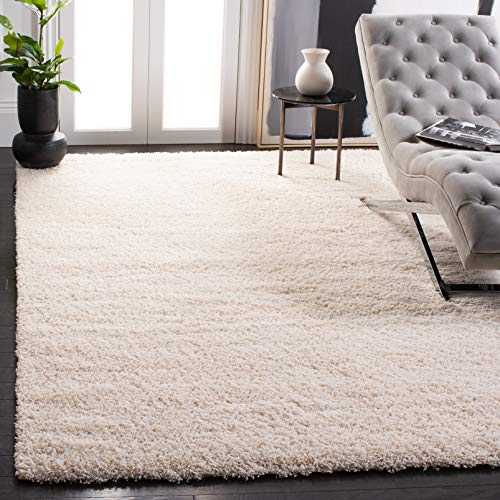
Polypropylene is the workhorse of the UK rug market. It resists stains and moisture, holds colour, and costs less than wool. Ranges from retailers such as Dunelm and IKEA, including IKEA’s low-pile Stoense and thicker Vindum, show the typical spread from short to medium and shaggy piles. The trade-off is that polypropylene feels less soft than wool and tends to flatten in heavily walked paths.
Best for warmth and lifespan: wool or wool blend
Wool is naturally resilient and springs back after furniture or footfall. It insulates a cold floor and suits bedrooms and living rooms. Wool rugs shed fibres for the first months and cost significantly more. Vacuum them with the beater bar switched off and avoid steam cleaning unless the maker allows it.
Best for families and pets: washable polyester
Machine-washable rugs use a thin polyester top layer, often with a separate non-slip base. They are a practical response to spills and muddy paws. Check the washing machine size, since a 160 x 230 cm rug may be too big for a domestic machine. These rugs are thinner than traditional ones and need a pad for comfort.
Best for a natural look: jute and sisal
Jute is soft underfoot compared with sisal and gives a neutral, textured base for layering. It does not tolerate moisture, so avoid kitchens and conservatories with condensation. Layer a smaller patterned rug on top for extra colour.
Best for bedrooms: shaggy high-pile rug
High-pile rugs feel soft but trap dust, crumbs and pet hair. Choose one for low-traffic areas such as beside the bed. A pile of 30 mm or more is hard to vacuum with a rotating brush, so use a suction-only head.
How to pick the right UK size
UK rug sizes are given in centimetres, with common nominal sizes of 80 x 150, 120 x 170, 160 x 230, 200 x 290 and 240 x 340 cm. In a living room, at least the front legs of sofas and chairs should sit on the rug. A rug that is too small makes the room look broken up.
| Room | Recommended rug size (cm) | Guidance |
|---|---|---|
| Small living room | 120 x 170 or 160 x 230 | Front legs of furniture on the rug |
| Large living room | 200 x 290 or 240 x 340 | All legs on the rug, leave 30 to 50 cm of floor visible |
| Dining room | 200 x 290 for a 6-seat table | Rug extends at least 60 cm beyond the table edge |
| Double bedroom | 160 x 230 under the bed’s lower two thirds | Rug extends 50 to 60 cm on each side |
| Hallway | 67 x 200 to 80 x 300 runner | Leave 10 cm of floor along each side |
Underfloor heating and pads
Many UK homes now have underfloor heating. Thick wool or foam-backed rugs trap heat, so check the rug label and keep the total tog value low. A thin felt-and-rubber pad stops sliding without adding much insulation, but avoid rubber on some timber floors because it can stain the finish.
Ownership realities
- Rotate the rug every six months to spread wear.
- Blot spills, do not rub them.
- Check the label for the fibre content and care symbols before you clean.
- Shedding on new wool and shaggy rugs is normal for the first weeks.
Frequently Asked Questions
What size area rug do I need for a living room in the UK?
A 160 x 230 cm rug suits many living rooms, and 200 x 290 cm suits larger ones. At minimum, place the front legs of your sofa and chairs on the rug.
Which material lasts longest?
Wool lasts longest with proper care, often a decade or more. Polypropylene is the most durable budget choice. Both outlast most shaggy polyester rugs.
Are washable rugs worth it?
For homes with pets or children, yes. They simplify cleaning but are thinner, so use a pad. Make sure your machine can take the size.
Do I need a rug pad?
A pad stops slipping, protects the floor and adds comfort. It is most useful on laminate, tiles and polished wood.
Can I use a rug over underfloor heating?
Usually yes, though thick rugs reduce heat output. Check the rug maker’s guidance and your heating system’s instructions.




Write Your Review
No reviews yet. Be the first to share your experience!