

Key takeaways
- Best for a polished interior: sanded oak, tight joints, concealed fasteners, and satin water-based polyurethane.
- Best for a farmhouse interior: visible grain, moderate wine staining, blackened or aged bands, and a matte clear coat.
- Best for a covered porch: exterior-rated stain or oil, sealed end grain, and galvanized or corrosion-resistant hardware.
- Avoid: raw wood outdoors, flaking unknown paint, loose hoops, and a strong chemical or musty smell.
Best Wine Barrel Decor for Rustic Home Style
The best wine barrel decor depends on where it will live: choose a stable half-barrel table for everyday indoor use, a sealed planter for outdoor display, a lightweight wall piece for small rooms, and a properly reinforced full barrel when storage matters most.
Wine barrel decor can add authentic oak texture, dark metal bands, and a useful rustic focal point, but not every barrel is equally suitable for a living room or patio. The key buying questions are the barrel’s wood condition, finish, intended location, weight, and resistance to tipping or moisture.
Our top picks
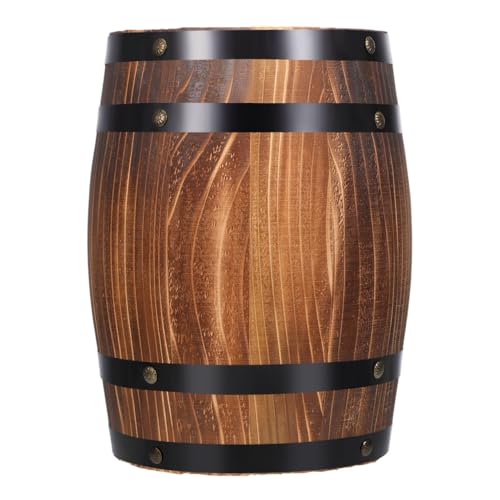


As an Amazon Associate we earn from qualifying purchases at no extra cost to you. Ratings are shown as listed on Amazon.
Quick comparison: which barrel decor fits your space?
| Decor type | Typical dimensions | Approximate weight | Best use | Main concern |
|---|---|---|---|---|
| Half-barrel table | 24–30 in. wide; 18–22 in. high | 35–70 lb | Side table, end table, entry accent | Uneven base or loose bands |
| Full-barrel table | 24–30 in. wide; 34–40 in. high | 60–120 lb | Pub table, cocktail table, dining accent | High center of gravity if topped heavily |
| Half-barrel planter | 22–30 in. diameter; 12–18 in. deep | 25–55 lb empty | Patio, porch, garden, covered balcony | Drainage, rot, and winter freezing |
| Barrel wall piece | 18–28 in. diameter; 4–10 in. deep | 8–25 lb | Kitchen, dining room, hallway | Secure mounting and protruding hardware |
| Storage barrel | 24–30 in. wide; 34–40 in. high | 60–130 lb | Blankets, bottles, games, bar supplies | Odor, humidity, and difficult access |
Dimensions and weights vary with oak thickness, iron hardware, moisture content, and whether a tabletop or interior shelf has been added. Measure doors, stairways, and the final placement area before buying; a full barrel may not fit through a narrow hallway even when its diameter appears manageable.
Best wine barrel decor by situation
For a small living room: a half-barrel side table
A half-barrel table is usually the most practical choice for compact rooms. Its 18- to 22-inch height works beside many sofas and lounge chairs, while the curved body supplies visual interest without taking up the footprint of a full cabinet. Look for a flat, level top at least 20 inches wide and a base with three or four stable contact points.
The best indoor version has kiln-dried or thoroughly seasoned oak, tightly seated bands, and a low-odor water-based clear coat. A tabletop made from solid wood or laminated oak is preferable to a thin decorative panel, especially if the table will hold lamps, books, or drinks. Add clear felt or rubber pads beneath the base to protect flooring and reduce rocking.
For a porch or garden: a sealed half-barrel planter
Outdoor planters need different construction from indoor furniture. Select a barrel described as suitable for exterior use, with a penetrating exterior wood finish or a properly sealed surface. The interior should have drainage holes and, ideally, a removable liner. Without drainage, water collects against the oak, causing swelling, mildew, and premature failure.
A 24-inch half-barrel holds roughly 15 to 25 gallons of potting mix, depending on its depth and interior shape. Wet soil can add 100 to 200 pounds, so place the planter on a level surface that can bear the load. Do not rely on decorative wheels unless they are rated for the filled weight.
For freeze-prone climates, raise the planter slightly off concrete, avoid trapping water beneath it, and move or empty it before repeated hard freezes. Outdoor wood finish is a consumable: inspect it each spring and recoat when the surface looks dry, gray, or absorbent.
For a dining room or kitchen: a barrel wall piece
A wall-mounted barrel head, stave arrangement, or shallow barrel shelf gives the strongest rustic effect with the least floor space. It is a good choice for renters or smaller homes only when the mounting method is appropriate; a heavy oak piece should not hang from a single picture hook.
Check the product’s actual weight and use a wall-rated cleat or multiple fasteners anchored into studs or suitable masonry hardware. Keep the lower edge away from head height in walkways, and avoid placing a deep shelf where people could catch clothing on the metal bands. In a kitchen, choose a low-odor finish that can be wiped clean rather than a porous, heavily distressed surface.
For useful concealed storage: a full barrel cabinet
A full barrel with a hinged top, front door, or removable lid is the best option for blankets, board games, bottles, and bar accessories. The interior capacity is often about 5 to 10 cubic feet, but curved walls reduce usable space compared with a rectangular cabinet. Ask whether the interior has a shelf, dividers, or a ventilation gap.
Storage barrels are more useful when the lid has soft-close hinges or a safety stay. A solid barrel top can be heavy enough to pinch fingers if it drops. For bottles, verify that the interior is dry and free of persistent wine odor; for textiles, use a breathable fabric bin rather than storing blankets directly against unfinished wood.
Wood condition and finish matter more than artificial aging
Authentic wear can be attractive, but structural wear is not a finish. Reject a barrel if the oak has deep splits extending through a stave, soft or crumbly areas, insect holes with fresh dust, strong mold odor, or bands that slide when pressed. Small surface dents and wine staining are generally cosmetic. A few dark marks can even make the piece look more convincing than a uniformly manufactured “distressed” finish.
- Best for a polished interior: sanded oak, tight joints, concealed fasteners, and satin water-based polyurethane.
- Best for a farmhouse interior: visible grain, moderate wine staining, blackened or aged bands, and a matte clear coat.
- Best for a covered porch: exterior-rated stain or oil, sealed end grain, and galvanized or corrosion-resistant hardware.
- Avoid: raw wood outdoors, flaking unknown paint, loose hoops, and a strong chemical or musty smell.
Glossy thick varnish can protect the surface but may make old oak look plastic. Matte and satin finishes usually preserve the grain more naturally. If the barrel will hold food or drinkware, use a finish specifically labeled for that intended contact pattern and keep the surface clean; decorative barrel furniture is not automatically a food-preparation surface.
Stability checks before you buy
Stability is the most overlooked difference between attractive barrel decor and furniture that becomes frustrating to own. On a flat floor, push the top gently from several directions. The piece should not rock, twist, or produce a metallic click from shifting bands. Inspect the underside for a level plinth, cross braces, or adjustable feet.
For a table, calculate the likely load rather than judging by appearance. A lamp weighing 12 pounds, books weighing 20 pounds, and occasional pressure from an arm can produce more than 40 pounds of practical demand. Choose a top and base rated beyond that amount, and keep heavy objects near the center. A tall full barrel is less stable than a low half-barrel, particularly on thick rugs or uneven floors.
Price and value: what you are paying for
General market pricing often falls into these ranges:
- Wall pieces and barrel heads: about $50–$180.
- Basic half-barrel planters: about $80–$250.
- Finished half-barrel tables: about $150–$450.
- Full storage barrels or pub tables: about $300–$900 or more.
Higher prices should reflect useful construction features, not just darker stain. Pay more for seasoned wood, tightened bands, a sealed underside, a durable top, reliable drainage, and hardware that can be serviced. A cheap raw barrel may need sanding, odor treatment, reinforcement, finish, feet, and delivery; those additions can erase the initial saving.
Ownership realities: what wears first
Metal bands often loosen before the oak fails, especially when indoor humidity changes. Check them twice a year and stop using the piece as a table if a band visibly shifts. Wipe spills quickly, use coasters, and avoid soaking the wood. Dust can collect where the bands meet the staves, so a soft brush or vacuum attachment is safer than a wet cloth pushed into the gaps.
Do not place a barrel directly beside a radiator, wood stove, or heating vent. Rapid drying can open stave joints and shrink hoops. Conversely, consistently damp basements can encourage mildew and musty odors. Keep furniture barrels in a reasonably stable indoor environment and use a moisture-resistant mat under outdoor pieces.
Final buying recommendation
For most rustic homes, a well-reinforced half-barrel table offers the best balance of character, manageable size, and everyday usefulness. Choose a sealed half-barrel planter when outdoor placement is the priority, a shallow wall piece when floor space is limited, and a full storage barrel only when you need its capacity and can verify its stability. Whatever style you choose, prioritize sound oak, secure bands, an appropriate finish, drainage or ventilation where needed, and dimensions that suit the room rather than buying by appearance alone.




Write Your Review
No reviews yet. Be the first to share your experience!