

Key takeaways
- Weight rating: Aim for at least 50 pounds per shelf section. Vinyl is heavy, and a full 13-inch-wide section can weigh roughly 35–45 pounds depending on the records and jackets.
- Ventilation: Electronics need airflow. Avoid placing an amplifier in a completely sealed compartment unless the manufacturer provides ventilation.
- Turntable stability: A thin top or hollow furniture panel can transmit vibration. Prefer a rigid top and adjustable feet.
- Cable access: Rear cutouts prevent power and audio cables from being crushed against the wall.
The best vinyl record storage furniture depends on three measurements first: your available floor width, the number of records you own, and whether the unit must support heavy shelving without sagging. For most listeners, a low record console suits a living room, modular cube shelving offers the best capacity per dollar, a narrow shelf works in small rooms, and a closed cabinet is the safest choice where dust, sunlight, or children are concerns.
Our top picks


As an Amazon Associate we earn from qualifying purchases at no extra cost to you. Ratings are shown as listed on Amazon.
Quick picks by room and storage need
| Situation | Best furniture type | Typical capacity | Typical footprint | Best reason to choose it |
|---|---|---|---|---|
| Living room listening area | Record console | 80–250 records | 36–72 inches wide, 15–20 inches deep | Combines storage with a turntable surface and display space |
| Small apartment or bedroom | Vertical shelving unit | 60–180 records | 24–36 inches wide, 12–16 inches deep | Uses wall height instead of valuable floor area |
| Growing collection on a budget | Cube shelving | 200–500 records | 30–60 inches wide, 15–16 inches deep | Easy to expand and reorganize |
| Dusty, bright, or high-traffic room | Closed record cabinet | 80–300 records | 30–60 inches wide, 16–20 inches deep | Doors reduce dust and limit accidental knocks |
| Large collection or dedicated music room | Heavy-duty modular shelving | 300+ records | Variable | Supports phased expansion and heavier loads |
Record consoles: the best all-in-one living room solution
A record console is the strongest choice when your turntable, amplifier, and records need to occupy one intentional piece of furniture. Look for a top at least 18 inches deep and preferably 36 inches wide or more. That gives a turntable room to sit level without hanging over the edge, while leaving space for a small phono preamp, speakers, or accessories.
The main limitation is capacity. A console with two compartments may look substantial but hold fewer records than a simple cube unit. A standard 12-inch record sleeve is approximately 12.4 inches square, and records should stand vertically rather than lean. Allow at least 13 inches of internal height and 13 inches of usable depth for comfortable access.
What to check before buying
- Weight rating: Aim for at least 50 pounds per shelf section. Vinyl is heavy, and a full 13-inch-wide section can weigh roughly 35–45 pounds depending on the records and jackets.
- Ventilation: Electronics need airflow. Avoid placing an amplifier in a completely sealed compartment unless the manufacturer provides ventilation.
- Turntable stability: A thin top or hollow furniture panel can transmit vibration. Prefer a rigid top and adjustable feet.
- Cable access: Rear cutouts prevent power and audio cables from being crushed against the wall.
Mid-century-style consoles from brands such as Crosley and Victrola are widely available, but their record capacity and weight ratings vary by model. Treat the listed capacity as a guide rather than a structural guarantee, and verify the dimensions of the exact model before ordering.
Cube shelving: the capacity winner
Cube shelving is usually the best vinyl record storage furniture for collectors who expect their library to grow. The familiar 13-inch cube format fits records well, and a single cube commonly holds about 60–75 records when packed vertically with normal sleeves. The exact number changes with gatefold jackets, box sets, dividers, and how tightly you prefer to browse.
Units such as IKEA’s KALLAX are popular because their cube dimensions suit records and their modular layouts can be used horizontally or vertically. However, a cube unit is not automatically safe in every orientation. A tall arrangement should be anchored to the wall, particularly in homes with children, pets, or uneven floors. A long horizontal unit spreads the load more effectively but may require a center support or a manufacturer-approved configuration.
Worked capacity calculation
Suppose you own 320 records and expect to add 40 more. If one cube holds approximately 65 records, the calculation is 360 divided by 65, which equals 5.54. You need at least six usable cubes, but seven gives you room for dividers and future growth. Filling every compartment completely makes browsing harder and increases the chance that sleeves will be pulled at an angle.
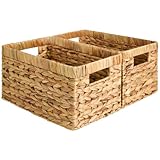
Cube shelving is less attractive when you need a finished, furniture-like appearance. Open backs collect dust, and the grid can dominate a minimalist room. Fabric or wood bins can conceal accessories, but do not use soft bins for the records themselves unless they are rigid, square, and properly ventilated.
Open shelving: best for frequent browsing and narrow spaces
A dedicated record shelf works well when you play records often and want every spine visible. It can also fit beside a desk, sofa, or media unit more easily than a wide console. Choose shelves with an internal depth of 13–15 inches; ordinary bookcases are often too shallow or have adjustable pins that are not designed for concentrated loads.
For a small room, a 30-inch-wide vertical unit with four shelves may hold approximately 120–180 records, depending on shelf spacing and jacket thickness. This is more space-efficient than a wide cabinet, but it raises the center of gravity. Anchor it to a stud or use an appropriate wall-fixing system.
Open shelves are also the easiest to maintain: you can see warped sleeves, leaning rows, and overfilled sections immediately. Their disadvantages are dust exposure and less protection from sunlight. Keep records away from direct windows, radiators, heating vents, and damp exterior walls.
Closed cabinets: protection over instant access
A closed cabinet is the better choice for a collection in a bright family room, a rental with heavy dust, or a home where records may be bumped. Doors protect sleeves from airborne debris and reduce visual clutter. Sliding doors save clearance space, while hinged doors usually provide quicker access and a tighter seal.
Do not assume that enclosed means climate-controlled. Vinyl records and paper jackets still need a reasonably stable, dry indoor environment. A cabinet placed against a cold or damp wall can trap moisture. Leave a small air gap behind the unit where possible, and avoid storing records in an unconditioned garage, attic, or shed.
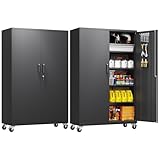
Cabinet shelves must be especially strong because a closed compartment encourages overfilling. Look for fixed or reinforced shelves, metal shelf supports, and a published load rating. If the unit has adjustable shelves, use shorter spans or add a center support rather than relying on a long unsupported board.
Head-to-head comparison
| Feature | Console | Cube shelving | Vertical shelf | Closed cabinet |
|---|---|---|---|---|
| Typical depth | 15–20 in. | 15–16 in. | 12–16 in. | 16–20 in. |
| Typical capacity per 36 in. of width | 80–140 records | 120–195 records | 100–180 records | 80–150 records |
| Turntable surface | Usually included | Usually separate | Usually separate | Sometimes included |
| Dust protection | Low to medium | Low | Low | Medium to high |
| Expansion flexibility | Low | High | Medium | Low to medium |
| Recommended shelf load | 50+ lb | 50+ lb per cube | 40+ lb | 50+ lb |
Decision matrix for choosing the right format
| Your priority | Recommended choice | Why |
|---|---|---|
| Under $200 and fewer than 150 records | Basic cube unit or narrow shelf | Provides useful capacity without paying for built-in electronics storage |
| Turntable and records in one place | Record console | Combines a stable operating surface with organized storage |
| More than 300 records | Several cube units or heavy-duty modular shelving | Distributes weight and allows gradual expansion |
| Frequent browsing | Open shelf or cubes | Spines remain visible and records are easier to remove vertically |
| Children, pets, or high traffic | Closed cabinet anchored to the wall | Reduces knocks, pulling, and accidental access |
| Very limited floor space | Shallow vertical shelving | Uses height while keeping the projection from the wall modest |
Ownership details that matter after purchase
Overfilling is the most common storage mistake. Records should stand upright with gentle support, not lean sharply at the end of a row. Use bookends or dividers to keep short rows vertical, but avoid tight pressure that makes sleeves difficult to remove. Pull a record by supporting the jacket from the sides rather than dragging the top edge across neighboring sleeves.
Dust the furniture with a dry microfiber cloth and clean records with a suitable record brush or cleaning system. Avoid household sprays near sleeves, turntable bearings, or paper labels. Inspect shelves every few months for bowing, loose fasteners, and leaning. A shelf that has begun to sag will usually worsen under a permanent vinyl load.
For a practical long-term target, buy 15–25 percent more capacity than your current collection requires. A 200-record owner should therefore plan for roughly 230–250 records. That extra space is not wasted: it makes browsing easier, accommodates gatefold albums, and prevents the furniture from becoming overloaded.
Final recommendation
Choose a record console when presentation and turntable convenience matter most, cube shelving when capacity and expansion are the priorities, a vertical shelf when floor space is tight, and a closed cabinet when protection and visual calm outweigh instant access. Whatever style you choose, prioritize a true 13-inch-plus record compartment, a documented load rating, wall anchoring for tall units, and enough spare capacity to keep every record upright.





Write Your Review
No reviews yet. Be the first to share your experience!