

Key takeaways
- Best Decorative Vases for Every Room The best decorative vases are chosen by matching their height, footprint, shape, material, and stability to the room and display surface—not simply by picking the most eye-catching design. For most homes, a medium ceramic…
Best Decorative Vases for Every Room
The best decorative vases are chosen by matching their height, footprint, shape, material, and stability to the room and display surface—not simply by picking the most eye-catching design.
For most homes, a medium ceramic vase around 8 to 12 inches tall is the most versatile choice: it fits consoles, dining tables, shelves, and bedroom dressers while providing enough weight for branches or dried stems. Choose a narrow glass vase for a small shelf, a wide stoneware vessel for a mantel, and a weighted floor vase only when you have enough open floor space to keep it away from traffic.
Our top picks
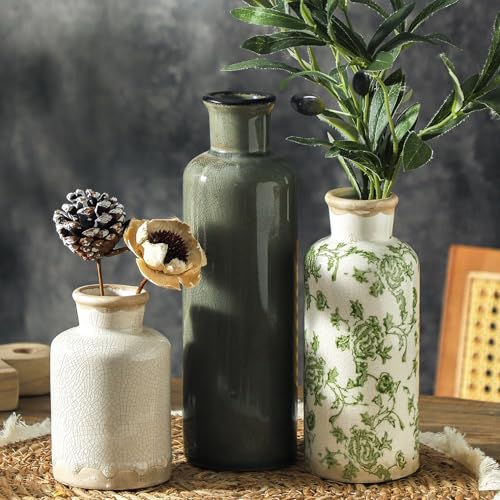


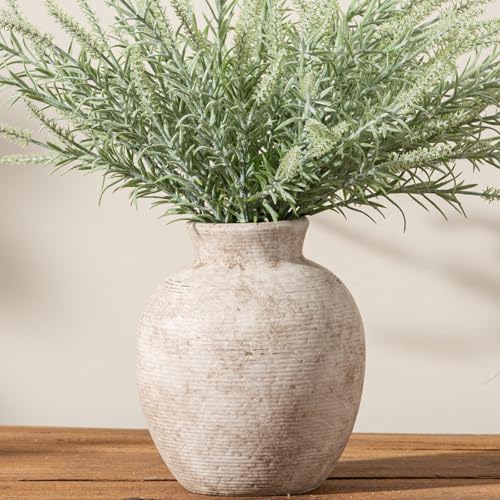
As an Amazon Associate we earn from qualifying purchases at no extra cost to you. Ratings are shown as listed on Amazon.
Quick Comparison: Which Vase Type Fits Your Space?
| Vase type | Typical size | Approximate weight | Best placement | Stability and care |
|---|---|---|---|---|
| Small bud vase | 4–7 in. tall; 2–3 in. wide | 0.3–1 lb | Bookshelves, nightstands, bathroom counters | Stable with one or two stems; easy to hand-wash |
| Medium ceramic vase | 8–12 in. tall; 4–6 in. wide | 2–5 lb | Dining tables, consoles, dressers | Good everyday balance; protect unglazed bases from moisture |
| Wide mantel vase | 10–16 in. tall; 6–10 in. wide | 4–10 lb | Fireplace mantels, large sideboards, entry consoles | Broad footprint resists tipping; may hold 1–3 quarts of water |
| Tall floor vase | 24–36 in. tall; 8–14 in. wide | 8–25 lb | Empty corners, beside cabinets, open entryways | Needs a low center of gravity and a protected location |
| Metal statement vase | 10–24 in. tall; 4–12 in. wide | 2–12 lb | Modern shelves, mantels, console tables | Strong but vulnerable to scratches, dents, and water spotting |
These are useful buying ranges rather than fixed rules. A 12-inch vase with a broad, heavy base can be safer than a slim 8-inch vase with a narrow bottom. Always check the actual base diameter and weight when a vase will sit near an edge, in a busy hallway, or where children and pets can reach it.
Best Decorative Vases by Room
Living room: medium ceramic or sculptural stoneware
A living room vase needs visual presence without blocking conversation or sightlines. A 9- to 14-inch ceramic vase works well on a coffee table, media console, or sideboard. For a coffee table, favor a low or rounded silhouette with a base at least 4 inches wide. It is less likely to tip when someone reaches across the table.
On a media console, a tall narrow vase can add height, but keep it several inches away from the television and avoid arranging it directly in front of the screen. A sculptural vase with a small opening is ideal when the object is primarily decorative and will hold only a few dried stems.
Dining room: low, wide, and easy to move
The best dining table vase is usually 6 to 10 inches tall, with a broad base and an opening that does not require an oversized arrangement. A vessel that is too tall can interrupt eye contact across the table, while a narrow, lightweight vase may wobble when the table is bumped.
For a table seating six, one centerpiece about 18 to 28 inches wide can work if it remains low. Alternatively, use three small bud vases spaced along the table. Glass is convenient for fresh flowers because the water level is visible, but clear glass also shows algae, fingerprints, and mineral deposits more readily than opaque ceramic.
Bedroom: narrow shapes with quiet colors
On a dresser or nightstand, choose a vase no taller than roughly one-third of the furniture’s width. A 5- to 9-inch bud vase or narrow bottle shape adds decoration without consuming useful surface area. Matte ceramic, frosted glass, and wood-look finishes tend to feel quieter than reflective metal or brightly patterned glass.
A vase with a 2- to 4-inch footprint is easier to fit beside lamps, books, and personal items. If you plan to use fresh flowers, select a narrow opening that keeps a small bouquet upright rather than requiring a large arrangement.
Entryway: weighted bases and forgiving materials
Entry tables and hallways experience more accidental contact than most rooms. Select a ceramic, stoneware, or thick-walled glass vase weighing at least 2 pounds for a tabletop display. A rounded or column-shaped base is preferable to a sharply tapered one.
For a narrow console, measure the available depth first. Leave at least 2 inches of clear space behind and in front of the vase where possible. If the table is only 10 inches deep, a vase with a 4- to 6-inch footprint is safer than a wide vessel that leaves no margin.
Mantel: broad bases and balanced pairs
Wide, low vessels are generally better on a mantel than tall, top-heavy bottles. For a standard mantel, two vases between 8 and 14 inches tall can anchor opposite sides, while a single wide vessel can occupy the center. Keep combustible decorations and fresh foliage away from heat sources, and avoid placing a vase where it can be knocked down when the mantel is used or cleaned.
Pairs do not need to be identical. Matching height with different textures—such as matte ceramic and ribbed glass—can look intentional while preventing the arrangement from becoming overly symmetrical.
Open floor areas: tall vases with ballast
A floor vase makes sense beside a bookcase, in an unused corner, or next to a large piece of furniture. It is less suitable beside a doorway, at the end of a staircase, or in a narrow walkway. Look for a base at least 8 inches wide, a heavy lower section, and a total weight of 8 pounds or more for a 30-inch vessel.
Very tall vases can be filled with clean sand, decorative stones, or a weighted insert when the design permits. Do not add loose ballast if it could damage a thin interior or make the vessel impossible to lift safely. A tall vase containing long branches should be more stable than the empty vase because the branches raise the center of gravity and catch moving air.
Material Head-to-Head
Ceramic and stoneware
These are the strongest all-purpose choices for shelves, tables, and mantels. Their weight helps with stability, and opaque finishes hide water marks. Stoneware is usually more durable than thin decorative ceramic, but both can chip at rims and corners. Use felt pads beneath them on wood, lacquer, or glass furniture.
Glass
Glass gives a light, airy appearance and is especially practical for fresh flowers because you can see the water and stems. Thick-walled glass is preferable for frequently handled pieces. The drawbacks are visible residue, breakage risk, and a lower weight than many ceramic alternatives. Do not place a glass vase at the edge of a high shelf.
Metal
Aluminum, steel, brass, and copper-look finishes create strong contrast in modern or industrial rooms. Metal is usually durable against impact but may dent, scratch, tarnish, or develop water spots. Unless the interior is specifically sealed for water, use a glass or plastic liner for fresh flowers.
Wood and natural fiber
Wood, rattan, seagrass, and similar materials add warmth but are normally best for dried or faux stems. Moisture can swell fibers, stain finishes, or create odors. A removable waterproof liner expands their usefulness, but check for leaks before placing the vase on furniture.
A Decision Matrix for Common Buying Situations
| Your situation | Recommended choice | Why it works |
|---|---|---|
| Small space and limited budget | One 8–10 in. ceramic vase | Useful in several rooms and less fragile than thin glass |
| Frequent fresh-flower use | Glass or glazed ceramic, 1–3 quart capacity | Easy water monitoring and simpler cleaning |
| Pets or young children | Low, weighted vase with a base at least 5 in. wide | Lower center of gravity reduces tipping risk |
| Experienced decorator with a large room | 24–36 in. floor vase or 12–16 in. sculptural vessel | Provides scale needed for open walls and high ceilings |
| Rarely changed seasonal decor | Neutral stoneware or metal-look vessel | Works year-round with different stems and arrangements |
| Decorating a narrow shelf | Bud vase under 7 in. tall and under 3 in. deep | Uses vertical space without overloading the shelf |
How to Check Fit and Stability Before Buying
- Measure the display area. Record both width and depth, then reserve at least 1 to 2 inches of clearance from nearby objects and edges.
- Choose a proportional height. On shelves, keep the vase below the shelf above it. On a dining table, keep the arrangement low enough to preserve sightlines.
- Compare base width with height. A tall vase should have a visibly substantial lower section. For a 30-inch floor vase, an 8-inch base is a useful minimum starting point.
- Consider the contents. Fresh branches need a wider opening and more water; dried stems need less weight but can make a tall vase top-heavy.
- Protect the surface. Add felt or silicone pads, and use a waterproof liner when the material is porous or not designed to hold water.
For example, suppose a console is 36 inches wide and you want one central vase. A vase occupying about one-quarter to one-third of the console width would measure approximately 9 to 12 inches wide. If the vase weighs 4 pounds and its base is 6 inches wide, it will generally be more secure than a 12-inch-tall, 1-pound vase with a 3-inch base, even if both have similar visual volume.
Durability, Cleaning, and Common Mistakes
The rim is often the first part to chip, especially on unglazed ceramic. Lift vases with both hands, avoid dragging them across furniture, and do not stack heavy objects inside them. For regular cleaning, rinse glass and glazed ceramic with warm water and mild dish soap. A soft bottle brush can reach narrow openings; abrasive powders may dull painted or metallic finishes.
Change flower water every few days, remove leaves below the waterline, and dry the exterior before returning the vase to furniture. Mineral buildup can often be loosened with diluted white vinegar, but test the solution first on painted, metallic, or porous finishes. Never soak wood, woven fiber, or unsealed stone.
The most common decorating mistake is choosing a vase for its empty appearance without considering the stems it must support. A tiny opening may look elegant but can make a large bouquet unstable. Conversely, an oversized opening can make a few stems look sparse. Match the opening to the arrangement, then match the vase weight to the location.
Final Buying Recommendation
If you want one dependable option, choose a glazed ceramic vase 8 to 12 inches tall, with a 4- to 6-inch footprint, a stable base, and an opening between 2 and 4 inches wide. Choose glass when fresh-flower visibility matters, a wide stoneware vessel for mantels and sideboards, and a weighted floor vase only for protected open spaces. The best decorative vases are the ones that fit the furniture, support the intended arrangement, and remain easy to clean and safe to live with.


Write Your Review
No reviews yet. Be the first to share your experience!