

Key takeaways
- Large, heavy wool rugs are hard to handle wet and best sent to a professional dyer.
- Rugs with latex or rubber backing can be damaged by hot baths.
- Antique or valuable rugs should never be home-dyed.
- Polypropylene, jute and sisal take dye poorly or unevenly.
The best dye for a rug depends on its fibre: use an acid dye for wool or nylon, a synthetic-fibre dye such as Rit DyeMore for polyester and acrylic, and a fibre-reactive or all-purpose dye for cotton. Check the rug’s label first, because dyeing the wrong dye on the wrong fibre simply will not take. Always dye a hidden swatch before committing to the whole rug.
Our top picks


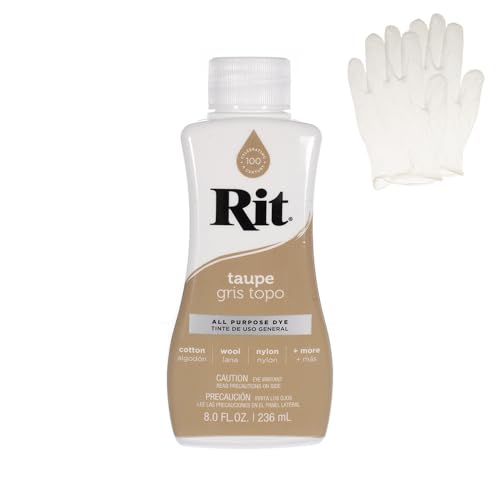
As an Amazon Associate we earn from qualifying purchases at no extra cost to you.
Quick comparison of rug dyes
| Dye | Best for | Works on | Method | Colour range | Difficulty |
|---|---|---|---|---|---|
| Rit DyeMore Synthetic | Best for polyester and acrylic rugs | Polyester, acrylic, acetate and blends with over 35% synthetic fibre | Hot stovetop bath | Wide | Moderate |
| Rit All-Purpose | Cotton and nylon rugs, light changes | Cotton, wool, silk, nylon, rayon | Hot bath or sink | Wide | Easy |
| Jacquard Acid Dye | Wool and nylon rugs | Wool, silk, nylon | Hot acid bath with vinegar or citric acid | Very wide | Moderate |
| Procion MX fibre-reactive | Cotton rugs and flatweaves | Cotton, linen, viscose | Soda ash, warm or cold bath | Very wide | Moderate |
| iDye Poly | Polyester rugs when you want a dedicated dye | Polyester, some synthetics | Near boiling bath | Moderate | Moderate |
| Fabric spray paint or dye marker | Touch-ups and stencils on any rug | Most fibres | Spray or brush | Wide | Easy |
The fibre list follows each manufacturer’s published guidance. Polypropylene (olefin) rugs resist almost every dye.
Step one: identify the fibre
Check the label on the back. Wool, cotton and nylon all dye readily. Polyester needs a disperse dye and high heat. Polypropylene, often used in outdoor rugs, does not take dye in home conditions. If the label is missing, burn-test a single loose fibre in a safe place or dye a hidden swatch.
Best for polyester and acrylic: Rit DyeMore
Rit says DyeMore is made for polyester, acrylic and acetate and for blends with more than 35 percent synthetic fibre. Rit recommends doubling the dye for 100 percent polyester or for a bold colour and keeping the bath hot for at least 30 minutes. One bottle dyes about one pound of dry polyester. The catch is that you need a large stainless steel pot on the stove, so it suits small rugs and mats rather than room-size ones.
Best for cotton and quick refreshes: Rit All-Purpose
All-Purpose dye covers cotton, wool, silk, nylon and rayon. It is easy to find and suits washable cotton rugs and small mats. It gives softer colour on wool than a dedicated acid dye. Rit advises using DyeMore if a fabric contains more than about 35 percent synthetic fibre.
Best for wool and nylon rugs: Jacquard Acid Dye
Acid dyes bond with protein and nylon fibres in a hot acidic bath, usually with white vinegar or citric acid. They give deep, even colour on wool. Keep the water below a boil to avoid felting wool. The trade-off is that you must be careful with temperature and ventilation, and large rugs need professional help.
Best for cotton flatweaves: Procion MX
Procion MX is a fibre-reactive dye with very strong colour on cotton and linen. It needs soda ash to fix the dye, and it makes vivid, permanent results. It does not work on wool or synthetics.
Best dedicated polyester option: iDye Poly
iDye Poly is another dye for polyester, applied in a very hot bath. It is an alternative to DyeMore if you prefer its colour range. It has the same limitation: a pot-sized load.
When dyeing a rug is not practical
- Large, heavy wool rugs are hard to handle wet and best sent to a professional dyer.
- Rugs with latex or rubber backing can be damaged by hot baths.
- Antique or valuable rugs should never be home-dyed.
- Polypropylene, jute and sisal take dye poorly or unevenly.
Worked example: dyeing a small polyester rug
| Step | What to do | Why |
|---|---|---|
| 1. Weigh the rug | A 2 x 3 foot rug may weigh about 1 to 2 pounds | Dye quantity is based on dry fibre weight |
| 2. Test a swatch | Dye a hidden corner or off-cut | Confirms the fibre takes the colour |
| 3. Pre-wash | Remove dirt and finishes | Dye bonds unevenly over residue |
| 4. Heat the bath | Hold near simmer for at least 30 minutes | Synthetics need heat to open the fibre |
| 5. Stir constantly | Keep the rug moving | Prevents streaks |
| 6. Rinse and dry | Rinse until the water runs clear | Removes loose dye |
Dyes darken the colour only, so you can go from light to dark, not the other way around. Dye mixes with existing colours, so a yellow rug dyed blue turns green.
Safety and cleanup
Use a pot you will not cook in. Wear gloves, ventilate the room and keep children and pets away. Rinse the pot and sink promptly, as dye can stain surfaces.
Frequently Asked Questions
Can you dye a rug at home?
Yes, if it is small enough to fit in a pot or tub and made of a fibre that takes dye. Cotton, wool, nylon and polyester all work with the right dye. Large or valuable rugs are better left to professionals.
What is the best dye for a polyester rug?
A dye made for synthetics, such as Rit DyeMore or iDye Poly, used in a very hot bath. Regular all-purpose dye will give weak results on polyester.
Will dye work on a polypropylene rug?
Almost never. Polypropylene resists home dyes. Fabric paint can colour the surface, but it may crack or rub off.
Can I dye a rug in the washing machine?
It works for cotton rugs with all-purpose dye if the machine allows it. Synthetics need heat that most machines cannot supply, so use a stovetop pot.
Can I make a dark rug lighter?
Not with dye. You would need a colour remover, and results vary by fibre and dye. Test a swatch first.





Write Your Review
No reviews yet. Be the first to share your experience!