

Key takeaways
- Glass: scratch resistant, crisp and does not attract dust. Heavy and can shatter. Add UV-filtering glass for valuable photographs or prints.
- Acrylic (plexiglass): lightweight, shatter resistant, safe for kids and for shipping. It scratches more easily and can pick up static, so clean with a microfiber cloth rather than glass cleaner.
- UV-filtering glazing: blocks around 90 to 99 percent of ultraviolet light depending on the product and slows fading. Worth it for rooms with strong sun or for irreplaceable pieces.
- Anti-glare or non-reflective glass: reduces reflection in bright rooms but can slightly soften sharpness.
The best picture frames in 2026 are solid-wood or aluminum frames with a real mat and either glass or UV-filtering acrylic, bought in a standard size so you can swap art without custom work. Wood suits warm, traditional rooms, thin metal suits modern spaces, and a mat that is wider than you expect makes cheap prints look intentional. Use the guide below to match frame material, glazing and size to your art, plus the maths of mat openings so the print actually fits.
Our top picks


As an Amazon Associate we earn from qualifying purchases at no extra cost to you.
Quick comparison of picture frame types
| Frame type | Best for | Common sizes | Glazing | Typical weight (16 x 20 in) | Price tier |
|---|---|---|---|---|---|
| Solid wood frame (oak, walnut, pine) | Warm, traditional and farmhouse rooms | 5 x 7, 8 x 10, 11 x 14, 16 x 20, 18 x 24, 24 x 36 in | Glass or acrylic | 2 to 4 lb | Mid to premium |
| Thin aluminum frame | Modern, minimalist and gallery walls | 8 x 10 up to 24 x 36 in and larger | Acrylic or glass | 1.5 to 3 lb | Mid-range |
| MDF or composite frame with wood veneer | Budget walls and bulk sets | 4 x 6 to 16 x 20 in | Plastic or thin glass | 1 to 3 lb | Budget |
| Floating glass frame | Pressed flowers, kids’ art, thin prints | 5 x 7 to 11 x 14 in | Double glass panes | 2 to 4 lb | Budget to mid |
| Shadow box frame | Memorabilia, medals, 3D items | 8 x 10 to 16 x 20 in, 1 to 2 in depth | Glass or acrylic | 3 to 6 lb | Mid-range |
| Collage multi-opening frame | Family photos in one place | Overall 11 x 14 to 20 x 30 in | Acrylic | 2 to 5 lb | Budget to mid |
Weights and sizes are typical values across retailer listings from brands such as IKEA, Umbra, Nielsen Bainbridge and Americanflat; check the product page for the exact figures and glazing material.
Best overall: solid wood with a mat
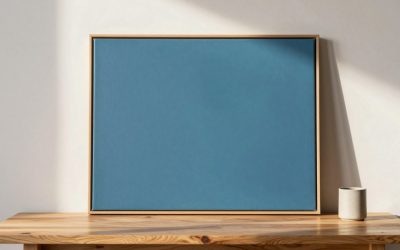
A solid hardwood frame with a mat is the combination that looks good for decades. Wood does not warp easily, takes paint and stain, and feels substantial in the hand. Mid-sized frames from 11 x 14 to 18 x 24 inches cover most photographs and posters.
Who it suits: people displaying treasured photos or art that should last.
Main trade-off: higher price and weight. Large wood frames need two hooks or a stud mount.
Best for modern rooms: thin aluminum
Slim metal profiles disappear into the print, which is why they dominate galleries. Black, white and brushed gold are the safest finishes. Aluminum is light, so it hangs easily from a single hook.
Main trade-off: corners can chip or dent, and cheap versions use flimsy hardware. Check that the backing is secured with metal tabs or proper clips.
Best budget: MDF or composite with veneer
For big sets of frames, composite frames make economic sense. They come in common sizes and can look great once painted or paired with a white mat. Buy a few more than you need so you can arrange the wall in different ways.
Main trade-off: corners can separate over time and moisture can swell the edges, so avoid bathrooms and kitchens.
Best for kids’ art and pressed flowers: floating glass frames
Two sheets of glass hold the art in the middle with a thin border, so papers of different sizes work without a mat.
Main trade-off: glass is heavy and fragile, which is a worry in children’s rooms. Acrylic panels are a safer variant.
Best for objects: shadow boxes
A shadow box has depth of one to two inches, which lets you display jerseys, tickets, medals, shells or coins. Linen or velvet liners give a gallery feel.
Main trade-off: they protrude from the wall and weigh more. Use two anchors for anything over a few pounds.
Glass or acrylic?
- Glass: scratch resistant, crisp and does not attract dust. Heavy and can shatter. Add UV-filtering glass for valuable photographs or prints.
- Acrylic (plexiglass): lightweight, shatter resistant, safe for kids and for shipping. It scratches more easily and can pick up static, so clean with a microfiber cloth rather than glass cleaner.
- UV-filtering glazing: blocks around 90 to 99 percent of ultraviolet light depending on the product and slows fading. Worth it for rooms with strong sun or for irreplaceable pieces.
- Anti-glare or non-reflective glass: reduces reflection in bright rooms but can slightly soften sharpness.
Standard sizes and how to choose
- Measure your art in inches, width first, then height.
- Pick a frame size one step above if you want a mat. A 5 x 7 inch print looks better in an 8 x 10 inch frame with a mat.
- Use standard sizes such as 8 x 10, 11 x 14, 16 x 20, 18 x 24 and 24 x 36 inches to keep mats and replacement art affordable. Custom sizes can cost several times more.
- Check orientation. Most frames hang either vertically or horizontally with built-in hardware for both.
Worked example: fitting a mat
You have an 8 x 10 inch photo and a standard 11 x 14 inch frame. The mat opening should be slightly smaller than the photo so the edges are hidden, for example 7.5 x 9.5 inches. The visible mat border is then (11 – 7.5) / 2 = 1.75 inches on each side and (14 – 9.5) / 2 = 2.25 inches at top and bottom. That 2.25 inch gap is generous, which gives the photo breathing room and is why a matted 8 x 10 photo in an 11 x 14 frame looks like gallery presentation. Without a mat, the same frame would need the larger photo or would show unwanted gaps.
Ownership and care realities
- Use acid-free mats and backing for photographs and prints, because standard cardboard yellows images over years.
- Keep frames away from direct sun and damp to avoid fading and warping.
- Check the hardware. Sawtooth hangers suit small, light frames, and wire with D-rings is better for heavier pieces.
- Clean gently. Spray cloth, not the frame, and use a soft duster on wood.
- Beware of cheap clip frames that bow under tension. Look for sturdy backs and turn buttons.
Decision matrix
| Your situation | Choose |
|---|---|
| Family photos in a living room | Solid wood frames with white mats |
| Modern gallery wall | Thin black or white aluminum frames |
| Lots of frames on a tight budget | Composite frames in bulk sets |
| Children’s room | Acrylic-glazed frames |
| Medals, tickets or 3D keepsakes | Shadow box |
| Valuable prints in a sunny room | UV-filtering glazing with acid-free mat |
Frequently Asked Questions
What are the most common picture frame sizes?
The most common sizes are 4 x 6, 5 x 7, 8 x 10, 11 x 14, 16 x 20, 18 x 24 and 24 x 36 inches. Sticking to them keeps replacement mats and prints inexpensive.
Do I need a mat in a picture frame?
Not always, but a mat adds a clean border, keeps the print off the glass and lets you use a bigger frame. For valuable photographs, an acid-free mat also protects the surface.
Is acrylic or glass better for picture frames?
Glass resists scratches and looks crisp, while acrylic is lighter and safer in kids’ rooms and for shipping. UV-filtering versions of either help protect against fading.
How do I hang a heavy frame?
Use a stud finder and a screw into a stud, or a wall anchor rated well above the frame’s weight. Two hooks keep wide frames level.
How do I choose a frame color?
Match the frame finish to your room’s metal and wood tones. Black suits modern spaces, white blends with light walls, and natural wood adds warmth.


Write Your Review
No reviews yet. Be the first to share your experience!