

Key takeaways
- nuLOOM vs Safavieh rugs compared by style range, materials, construction, pile and care, with a short verdict and a checklist to use before buying.
Safavieh is generally the stronger choice if you want traditional, vintage-inspired or transitional patterns from a long-established name with a very wide catalog, while nuLOOM tends to suit shoppers looking for modern, natural fiber and trend-forward looks. The truth is that both sell a huge range of rugs at several price levels, so the brand name alone does not predict quality. What matters is the specific rug: its material, construction, pile height and size. This guide compares general differences, flags what to check, and shows how to choose between the two for your room. Always confirm details on the current listing, because collections change.
Quick verdict
If your room leans classic, such as a Persian-inspired pattern or a faded vintage look, start with Safavieh and see how many designs fit your palette. If you favor geometric prints, textured jute or wool-blend styles, shag or a simple neutral, start with nuLOOM. Many shoppers compare both because there is real overlap, and either brand can fill a living room, bedroom or hallway.
When the choice is close, let the construction and material decide. A hand-knotted wool rug, a machine-made polypropylene rug and a natural fiber jute rug behave very differently, and that difference is larger than the one between brands.
Style and design range
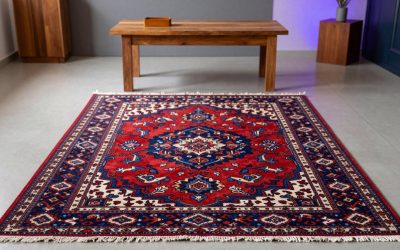
Safavieh is commonly associated with traditional and transitional rugs, along with a large offering of area rugs, runners and round styles in many sizes. Its collections often include distressed, vintage-inspired patterns, trellis designs and classic borders.
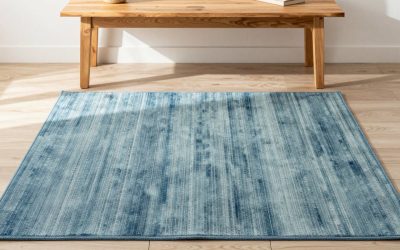
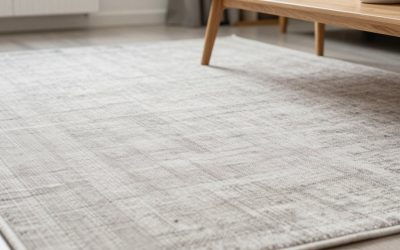
nuLOOM, by contrast, is commonly associated with contemporary patterns, handmade-look styles, natural fibers, Moroccan-style designs and a mix of plush and flat textures. Both brands offer shag, solid and neutral rugs. The best way to compare style is to open each brand’s page for your room type and filter by color and size.
Materials and construction
Material and construction drive how a rug looks, feels and wears. The table below shows general ranges. It describes categories you will see across the market and not a guarantee about either brand’s lineup, so check current specifications on any listing.
| Factor | What to look for | Why it matters |
|---|---|---|
| Fiber | Polypropylene, polyester, wool, cotton, jute, viscose blends | Affects durability, softness, stain resistance and shedding |
| Construction | Machine-made, hand-tufted, hand-knotted, flatweave | Affects density, lifespan and price |
| Pile height | Low, medium or high | Low pile suits traffic and door clearance; high pile feels plush |
| Backing | Cotton, latex, jute, none | Affects grip, flexibility and floor compatibility |
| Care notes | Vacuum only, spot clean, professional cleaning | Affects upkeep cost and stain handling |
Synthetic machine-made rugs are common at lower and mid price points because they resist stains and are easier to maintain. Wool and natural fiber rugs often cost more and feel richer, but they may need gentler cleaning.
Pile, feel and everyday comfort
Pile height is easy to overlook. A high pile shag feels soft underfoot but traps crumbs and pet hair and can make furniture legs sink. A low pile rug is easier to vacuum and sits flush with a door, which matters in entryways and kitchens. Flatweave rugs are the thinnest and often reversible.
Both brands sell the full spectrum, so filter listings by pile. If you have kids or pets, give extra weight to low pile and stain-resistant fibers, and consider a patterned rug that hides daily wear.
Sizes, shapes and colors
Both brands generally offer common sizes such as 5 by 8 feet, 8 by 10 feet and 9 by 12 feet, plus runners in lengths for hallways, round and square options and sometimes custom or less common sizes. A rug that looks great online can feel too small once it is in your room, so measure your space before shopping.
Color photos can differ from real life. Rugs often appear slightly different under your lighting, so read the color name, check customer photos and look at the return policy before you commit to a large rug.
Care, cleaning and shedding
Vacuum new rugs gently at first, using a setting without a beater bar if the rug has long fringe or loops. Wool and cut-pile styles often shed in the beginning. For stains, blot instead of rubbing and follow the label’s cleaning code or the manufacturer’s guidance. Do not use harsh chemicals without checking that they are safe for the fiber, and consider a professional cleaner for hand-knotted or delicate rugs.
Also use a rug pad. A pad reduces slipping, which is a safety matter on hard floors, and can extend a rug’s life by reducing friction. Choose one that the floor manufacturer approves.
Use-case picks
- Formal living room or dining room: look first at traditional or vintage-inspired patterns, which Safavieh is widely known for.
- Modern or minimalist space: geometric, solid and natural fiber styles are a common nuLOOM strength.
- Kids and pets: low pile synthetic rugs with a busy pattern, from either brand, are generally the practical choice.
- Entryway or kitchen: a low pile or flatweave runner that sits under doors and wipes clean easily.
- Bedroom: a softer, higher pile rug that extends past the sides of the bed, where bare feet land first.
- Tight budget: compare machine-made options in each brand and do not assume the more expensive name wins.
Worked example: a hallway runner
Suppose your hallway is 3 feet wide and 10 feet long, and you want about 6 inches of bare floor on each side. That makes the maximum rug width roughly 2 feet, so a 2 by 8 foot or 2.5 by 8 foot runner is a sensible target, with a little floor showing at each end. The hallway sees daily foot traffic and a door at one end, so a low pile, synthetic or flatweave rug with a non-slip pad is the practical pick. For this scenario, filter both brands by runner size and low pile, then compare patterns. The brand matters less than the construction here, and both may offer a workable match. These figures are assumptions for illustration, so measure your own space.
Price, value and returns
Both brands sell across several price tiers, so a quick price comparison between a nuLOOM and a Safavieh rug of the same size is only meaningful if the fiber and construction match. A synthetic machine-made rug and a hand-knotted wool rug are not comparable on price alone. Value is better judged by cost per year of expected use, the room’s traffic level and how easily the rug can be cleaned. Large rugs are heavy to return, so confirm the return window, who pays for shipping back and whether the rug must be unopened. Keep the packaging until you are sure the color and size work in your room.
What to check before buying either brand
- The exact fiber content and construction method listed.
- Pile height in inches or millimeters, and whether the rug is flat or plush.
- The size actually offered, with dimensions confirmed against your room.
- Care instructions and cleaning code.
- The return policy, since large rugs are awkward to send back.
- Recent buyer feedback on that specific rug, not only the brand overall.
- Whether the rug needs a pad, and what type.
Treat all of this as general guidance. Specifications vary between collections, so verify each detail on the current listing and with the manufacturer’s documentation.
Related guides
- Washable Area Rugs For Kids And Pets
- How To Hang Curtains At The Right Height
- How To Choose Rug Size For Living Room
Frequently asked questions
Is nuLOOM or Safavieh better quality?
Neither brand is better across the board, because both sell many lines at many price points. Quality depends on the specific rug: its material, how it is made, pile density and backing. Compare the listing details, such as fiber content, construction method and pile height, and read recent buyer feedback on the exact product instead of judging by the brand name.
Which brand has more traditional patterns?
Safavieh is widely known for traditional, vintage-inspired and transitional designs, including many Persian-style and Oriental looks. nuLOOM is better known for contemporary, geometric, natural fiber and trend-led styles, though both brands overlap. Browse each brand’s current catalog and filter by style, color and size to see what is actually offered, since lineups change from season to season and some looks appear in both.
Do these rugs need a rug pad?
In most cases a pad is a good idea for either brand. A pad helps keep a rug from slipping, adds a layer of cushioning and can protect the floor. Check the manufacturer’s guidance for your specific rug, especially on hardwood or delicate flooring, and choose a pad type that the floor maker says is safe for that surface.
Will a machine-made rug shed?
Many new rugs shed some loose fibers at first, particularly wool and cut-pile styles. This often eases with regular light vacuuming. Shedding is normal for many constructions and does not always mean poor quality. If shedding is heavy or continues for a long time, check the return policy and contact the seller.
Are nuLOOM and Safavieh rugs good for high-traffic areas?
Some of each brand’s rugs are made for busy spaces, typically with low pile, dense construction and synthetic fibers that handle wear. Others are better for bedrooms or low-traffic corners. Look for pile height, material and any traffic or care notes on the listing, and match the rug to the room.





Write Your Review
No reviews yet. Be the first to share your experience!