

Key takeaways
- Flip drawers: excellent for shallow spaces, but less flexible for boots and oversized shoes.
- Hinged doors: easy to inspect and usually compatible with adjustable shelves, but they need clear space in front.
- Sliding doors: useful where a hinged door would obstruct a passage, although the track can collect grit.
- Open shelves: fastest to use and easiest to ventilate, but they show dust and visual clutter.
- Lift-up bench lids: convenient for small accessories, but slower than open cubbies for everyday shoes.
The best shoe storage cabinets are the ones that match your entryway’s usable width, the number of pairs you actually own, and how often the doors will be opened: slim flip-drawer cabinets suit narrow halls, ventilated open-front units suit everyday footwear, and deeper closed cupboards work best for large households.
A cabinet that looks compact on a product page can still be frustrating if it holds only low-profile shoes, blocks a door, or lacks airflow for damp trainers. Use the comparison below to narrow the choice before comparing finishes and hardware.
Our top picks


As an Amazon Associate we earn from qualifying purchases at no extra cost to you. Ratings are shown as listed on Amazon.
Best shoe storage cabinets by entryway situation
| Entryway situation | Best cabinet type | Typical capacity | Useful size range | Main compromise |
|---|---|---|---|---|
| Narrow hall or apartment foyer | Vertical flip-drawer cabinet | 12–24 pairs | 24–32 in. wide, 7–10 in. deep, 40–48 in. high | Limited room for boots and bulky shoes |
| Two or three people, frequent daily use | Ventilated open-shelf cabinet | 12–20 pairs | 30–36 in. wide, 12–15 in. deep, 30–36 in. high | Footwear remains visible |
| Family entryway | Wide closed-door cupboard | 24–40 pairs | 36–48 in. wide, 14–18 in. deep, 30–40 in. high | Requires more floor space and stronger anchoring |
| Boots, hiking shoes, or wet footwear | Open bench or adjustable shelf unit | 8–16 pairs | 36–48 in. wide, 15–20 in. deep, 18–24 in. high | Less concealed storage |
Capacities are practical estimates rather than manufacturer-rated counts. A “pair” normally means low-profile adult shoes placed heel-to-toe or side by side. High-top sneakers, children’s shoes, wide trainers, and boots reduce capacity quickly.
Our top cabinet picks by design
Best for a very small entryway: the slim flip-drawer cabinet
Choose a vertical cabinet with angled compartments when every inch of floor depth matters. Models in the 7- to 10-inch range can preserve walking space while storing roughly two to four pairs per drawer. Their narrow footprint also works behind an apartment door, provided the door swing and baseboard do not interfere.
The drawback is shape. Flip drawers often divide the interior into narrow pockets, so ankle boots, men’s size 13 shoes, and shoes with large soles may not fit. Check the internal compartment width and height, not just the outside dimensions. A cabinet advertised for 24 pairs may hold closer to 16 pairs of bulky footwear.
Best for everyday convenience: the ventilated open-shelf cabinet
Open shelves are the most practical choice when shoes are worn and put away several times a day. Slatted sides, perforated metal, or rear ventilation gaps allow air to circulate after rain or exercise. Shelves that are 12 to 15 inches deep usually accommodate most adult footwear without excessive overhang.
This style is also easier to clean. You can lift out a pair, vacuum grit from the shelf, and see when the cabinet is full. The trade-off is visual clutter. Use matching baskets on the top shelf for laces, shoe brushes, or children’s footwear, but avoid sealing damp shoes inside a basket.
Best for a large household: the wide closed-door cabinet
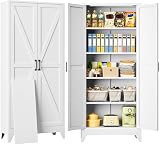
A wide cupboard is the strongest all-rounder for families that need concealed storage. Adjustable shelves let you reserve one tall section for boots and use the remaining shelves for sneakers and flats. Look for shelves at least 12 inches deep and a total width of 36 inches or more if the cabinet needs to hold over 24 pairs.
Closed doors keep the entryway looking tidy, but ventilation becomes more important. Doors with louvers, mesh panels, or small ventilation slots are preferable to a completely airtight box. Leave muddy or wet footwear outside the cabinet until it is dry; even a ventilated cupboard can develop odors when moisture is trapped against laminated wood.
Best for boots and seating: the shoe bench with open storage
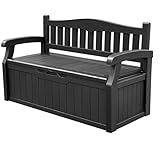
A bench cabinet combines a place to sit with low-level storage. It is a good fit for households that remove shoes at the door or need space for boots that will not fit in flip drawers. A seat height around 18 to 20 inches is comfortable for most adults, while a depth of 15 to 20 inches gives footwear enough room.
Do not treat every shoe bench as a seat. Confirm the stated weight limit and whether the top has a reinforced frame. Storage cubbies beneath the seat are convenient, but they usually hold fewer pairs than a tall cabinet with the same floor footprint.
Head-to-head: what matters more than appearance?
Capacity and usable dimensions
Measure the shoes that will live in the cabinet, including their widest point. Allow approximately 9 to 10 inches of shelf width per pair for average adult shoes, 11 to 13 inches for broad trainers, and 12 or more inches of vertical clearance for high-top shoes. Boots may need 14 to 18 inches of height, depending on the shaft.
For a quick estimate, count your regularly used pairs, add 20 percent for seasonal rotation and growth, then compare that figure with the cabinet’s practical capacity. For example, a household with 18 frequently used pairs should target at least 22 pairs of usable capacity. That small buffer prevents the top shelf and floor beside the cabinet from becoming overflow storage.
Ventilation
Ventilation is essential when the cabinet will receive shoes immediately after wear. Open shelving provides the most airflow. Perforated doors are a reasonable compromise for concealed storage. Solid doors can work for dry footwear, but they are less forgiving of damp socks, wet soles, and infrequent cleaning.
Ventilation does not replace drying. Remove insoles when shoes are soaked, wipe mud from the soles, and let footwear dry in an airy location before closing the doors.
Door style
- Flip drawers: excellent for shallow spaces, but less flexible for boots and oversized shoes.
- Hinged doors: easy to inspect and usually compatible with adjustable shelves, but they need clear space in front.
- Sliding doors: useful where a hinged door would obstruct a passage, although the track can collect grit.
- Open shelves: fastest to use and easiest to ventilate, but they show dust and visual clutter.
- Lift-up bench lids: convenient for small accessories, but slower than open cubbies for everyday shoes.
Assembly and stability
Expect roughly 30 to 60 minutes for a simple open shelf and 60 to 120 minutes for a tall flip-drawer or closed-door unit, assuming the parts are labeled and the wall is suitable for anchoring. Assembly difficulty increases with multiple doors, drawer hinges, adjustable feet, and anti-tip hardware.
Wall anchoring is not optional for a tall, narrow cabinet. Follow the supplied instructions and use fixings appropriate for the wall type. On uneven floors, adjustable feet or a leveling shim help doors align and reduce rocking. Do not fill the cabinet before checking that it is stable.
A practical decision matrix
| Priority | Recommended choice | Why it fits | What to avoid |
|---|---|---|---|
| Lowest floor depth | 7–10 in. flip-drawer cabinet | Preserves the walkway | Deep cupboards that narrow the hall |
| Fastest daily access | Open shelves | No door or drawer to operate | High shelves that encourage floor piles |
| Neatest appearance | Closed doors with ventilation | Hides mixed footwear | Airtight cabinets for damp shoes |
| Most flexible capacity | Adjustable-shelf cupboard | Handles boots and changing shoe sizes | Fixed cubbies with low clearance |
| Lowest assembly risk | Short open unit or preassembled cabinet | Fewer hinges and alignment steps | Tall units without anti-tip hardware |
Ownership details that affect long-term value
The first parts likely to wear are hinge screws, drawer runners, door catches, and the lower edges of fiberboard panels exposed to wet floors. Use a tray or washable mat beneath the cabinet, tighten loose hardware periodically, and wipe spills rather than allowing water to sit on the base.
Vacuum grit from shelves every few weeks, especially in winter. Clean laminated surfaces with a lightly damp cloth and dry them immediately. Avoid saturating unfinished wood or using abrasive cleaners on painted finishes. Metal racks may resist scuffs well, but their joints can loosen; check fasteners before the unit starts to wobble.
A common mistake is buying to the advertised pair count without checking shoe type. Another is placing a tall cabinet beside a doorway without measuring the open door’s arc. Measure the wall width, maximum depth, ceiling clearance, baseboard projection, and door swing first. Then choose the best shoe storage cabinets that fit those physical limits—not the cabinet with the largest number on its box.
Final verdict
For a narrow entryway, choose a shallow flip-drawer cabinet with wall anchoring. For the easiest everyday use, choose ventilated open shelves. For a family, choose a wider cupboard with adjustable shelves and vented doors. If boots and sitting space matter most, a reinforced shoe bench is the better fit. The right balance of usable capacity, ventilation, door clearance, and assembly complexity will matter far more than the finish alone.






Write Your Review
No reviews yet. Be the first to share your experience!