

Key takeaways
- 1.5 quarts: suitable for roughly 12 to 16 ounces of short pasta, depending on shape.
- 2 to 2.5 quarts: suitable for a standard 16-ounce bag of penne, rotini, shells, or elbows with room to scoop.
- 3 to 4 quarts: better for large bags, bulky shapes, or households that buy pasta in quantity.
- 10 to 12 inches tall: appropriate for storing spaghetti or linguine without breaking it.
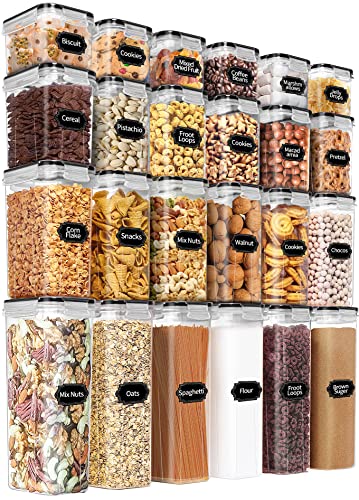
The best airtight pasta storage container set for most kitchens is a mixed set of stackable containers: clear, gasket-sealed plastic for everyday short pasta, plus at least one tall container measuring about 10 inches high and 3.5 inches wide for spaghetti and linguine.
Our top picks


As an Amazon Associate we earn from qualifying purchases at no extra cost to you. Ratings are shown as listed on Amazon.
Best Airtight Pasta Storage Container Set: What to Buy
Choose containers with a silicone or rubber gasket, a locking lid, straight interior walls, and capacities that match the pasta you actually cook. A useful set should include approximately 1.5-quart, 2.5-quart, and 4-quart containers for penne, shells, and larger quantities, along with a tall spaghetti container of at least 10 inches in usable interior height.
For most households, plastic is the practical everyday choice because it is lighter, less breakable, and usually cheaper per container. Glass is better when you want maximum stain resistance, a heavier container for pantry stability, or a vessel that can move from pantry to refrigerator. Neither material preserves pasta by itself: the seal, lid fit, moisture control, and storage location matter more.
Glass vs. Plastic for Dry Pasta Storage
Plastic: lighter and easier to handle
Clear food-storage plastic is the better fit for deep shelves, children’s access, and frequently used pasta. A 2-quart plastic container commonly weighs about 250 to 500 grams empty, compared with roughly 900 to 1,400 grams for a glass container of similar capacity. That difference becomes noticeable when a container is filled with pasta and lifted from an upper shelf.
Plastic containers also tolerate minor knocks and are generally less expensive. Their disadvantages are gradual scratching, possible staining from sauces or spices, and occasional odor retention if the same container is used for strongly flavored foods. Look for BPA-free, food-contact-rated plastic with a lid designed for repeated opening rather than a thin snap-on cover.
Glass: stable, stain-resistant, and easy to inspect
Glass is useful when containers remain in one place. Its weight keeps tall containers from tipping, and the smooth surface is less likely to hold odors or develop scratches. Glass is also less likely to become cloudy after repeated washing.
The trade-off is weight and breakage risk. A tall glass container can be awkward in a crowded cupboard, and a chipped rim should be discarded rather than reused. Glass lids may also contain plastic frames or silicone seals, so “glass container” does not mean every part is glass.
| Feature | Plastic container | Glass container | Best choice when |
|---|---|---|---|
| Typical empty weight at 2 quarts | 250–500 g | 900–1,400 g | Plastic for frequent lifting; glass for fixed shelves |
| Useful working capacity | 1.5–4 quarts | 1.5–4 quarts | Choose based on package size, not appearance |
| Typical usable height | 6–12 inches | 6–12 inches | At least 10 inches for unbroken spaghetti |
| Resistance to stains and odors | Good to moderate | Very good | Glass for long-term pantry use |
| Breakage risk | Low, but may crack | Possible if dropped or chipped | Plastic for busy kitchens |
| Typical market range for a 4–6 piece set | About $20–$55 | About $30–$80 | Plastic for value; glass for heavier-duty ownership |
Seal Types Compared
Four-sided locking lids
Four locking tabs provide strong compression around a continuous gasket. They are a good choice for flour, rice, and pasta because the lid gives clear tactile feedback when closed. The downside is that tabs are moving parts: hinges and attachment points may loosen or break before the container itself wears out.
Push-button or lever seals
Push-button lids are quick to open with one hand and can be convenient for daily cooking. The button often doubles as the lid’s central pressure mechanism. Check that the gasket is removable for washing; trapped flour dust around the seal can prevent a complete closure.
Threaded screw-top lids
Screw-top containers can make a dependable airtight seal and are less likely to open accidentally. However, threads can collect crumbs, and a round opening is less efficient for scooping pasta than a wide rectangular opening. They work best for smaller quantities, not large bags of penne or fusilli.
A silicone gasket is preferable to a thin foam insert for long-term pantry use. Silicone is easier to wash and usually remains flexible longer, although it can still stretch, split, or retain odors. The practical test is simple: close the empty container, turn it upside down, and check whether the lid stays firmly seated. This is not a laboratory airtightness test, but it can reveal a poorly fitting lid.
Capacity and Tall-Pasta Fit
Nominal capacity is not the same as usable capacity. A container advertised as 2 quarts may have a narrow neck, a thick lid, or rounded corners that reduce the space available for pasta. For pantry storage, leave about 10% to 15% empty space so the contents can be poured and shaken without jamming beneath the lid.
A practical sizing guide is:
- 1.5 quarts: suitable for roughly 12 to 16 ounces of short pasta, depending on shape.
- 2 to 2.5 quarts: suitable for a standard 16-ounce bag of penne, rotini, shells, or elbows with room to scoop.
- 3 to 4 quarts: better for large bags, bulky shapes, or households that buy pasta in quantity.
- 10 to 12 inches tall: appropriate for storing spaghetti or linguine without breaking it.
To check a tall container before buying, measure the shelf’s clear height from the shelf surface to the underside of the shelf above it. Subtract at least 1 inch for lifting clearance. For example, a cupboard opening 12 inches high should generally hold a container no taller than 11 inches, and an 11-inch container may still be inconvenient if the lid requires upward space to open.
Best Set by Kitchen Situation
| Your situation | Recommended configuration | Why it works |
|---|---|---|
| Lowest cost and frequent use | Four to six clear plastic containers, 1.5–4 quarts | Lightweight, replaceable, and easy to stack |
| Small or shallow pantry | Three rectangular containers, 1.5–2.5 quarts | Uses shelf width efficiently without excessive height |
| Mostly spaghetti and linguine | One 10–12-inch tall container plus two 2-quart containers | Prevents long pasta from bending while covering short shapes |
| Heavy pantry use and long ownership | Glass bases with removable silicone-gasket lids | Resists stains and makes seal replacement or cleaning easier |
| Mixed household with frequent lifting | Plastic bases, locking lids, and a wide opening | Lower weight and easier access reduce spills |
Notable Container Types and Brands
OXO POP-style containers are known for push-button lids and modular pantry organization, although their shapes and sizes should be checked against your shelf dimensions before buying. Rubbermaid Brilliance pantry containers are a plastic option with clear construction and locking-lid designs. IKEA 365+ dry-food containers are often appealing for shoppers who want simple shapes and generally accessible replacement purchases. Glasslock and Pyrex offer glass-based storage lines, but individual lids, gasket designs, and dimensions vary by collection.
These brands are not interchangeable: a lid from one product family may not fit another, even when the nominal capacity is similar. Treat the published exterior dimensions as a starting point and verify the interior height, opening width, and lid clearance.
How to Set Up Pasta Storage for Longer Freshness
- Start with a clean, completely dry container. Even a small amount of water can soften pasta and encourage clumping.
- Transfer one package at a time. Keep the original cooking instructions or write the pasta type and cooking time on a removable label.
- Do not overfill. Leave 10% to 15% of the container empty for pouring and scooping.
- Wipe the rim before sealing. Pasta dust on the gasket can create a small leak path.
- Store away from heat and humidity. A cool, dry cupboard is preferable to a cabinet directly above a dishwasher, kettle, or stove.
- Use older pasta first. Rotate containers so recently purchased packages do not remain untouched at the back.
For a simple capacity calculation, a 16-ounce package is 1 pound by weight, but it does not occupy exactly 1 quart because pasta shapes contain different amounts of air between pieces. If a 2-quart container is filled to 85% of its nominal volume, its working volume is about 1.7 quarts. That is usually comfortable for one standard package of penne or rotini, while a bulky shape may need a 2.5-quart container.
Durability and Maintenance Realities
The gasket and lid hinge usually wear out before the base. Inspect the seal every few months for flattening, tears, tackiness, or a persistent food smell. Wash removable gaskets separately, rinse away soap, and let every component air-dry before reassembly. If the gasket cannot be removed, clean the groove with a soft brush rather than a sharp utensil.
Do not use abrasive pads on clear plastic, and do not pour hot water over a cold glass container. Avoid stacking heavy items on a tall container’s lid, since pressure can deform the seal. A container that no longer closes evenly should be replaced or fitted with an approved replacement lid; adding plastic wrap under the lid is not a reliable long-term solution.
Final Buying Recommendation
For the best balance of price, convenience, and pasta protection, buy a set of clear, rectangular plastic containers with locking lids in 1.5-, 2-, and 3- to 4-quart sizes, then add a dedicated 10- to 12-inch tall container for spaghetti. Choose glass instead if the containers will stay on a stable shelf and stain resistance matters more than weight. Whatever material you select, prioritize a replaceable or removable silicone gasket, a wide opening, straight walls, and dimensions that leave room for both the pasta and your hand.



Write Your Review
No reviews yet. Be the first to share your experience!