

Key takeaways
- 【A Complete Candle Making Kit】Our candle making supplies…
- 【The Ultimate Set for Beginners】Many DIY craft kits…
- 【High Quality Wax Materal】This set is all natural…
The best candle making kits for beginners are CandleScience’s beginner kits for clear instructions and dependable supplies, Makesy’s kits for a more gift-ready experience, and The Flaming Candle’s kits for crafters who want larger batches and more fragrance choice.
Our top picks
 SAEUYVB Candle Making Kit with Wax Melter
- 【A Complete Candle Making Kit】Our candle making supplies…
- 【The Ultimate Set for Beginners】Many DIY craft kits…
- 【High Quality Wax Materal】This set is all natural…
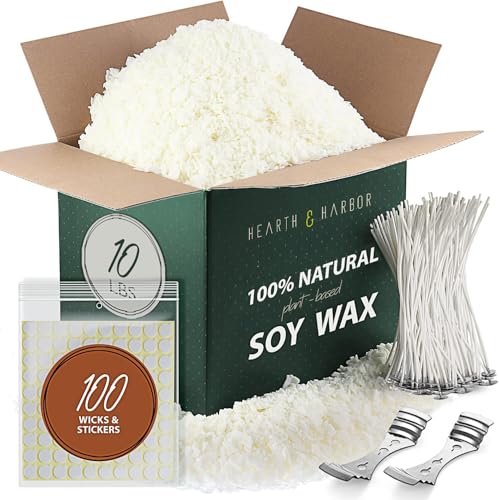 Hearth & Harbor Organic Candle Wax
- 𝗔𝗹𝗹-𝗜𝗻-𝗢𝗻𝗲 𝗖𝗮𝗻𝗱𝗹𝗲 𝗠𝗮𝗸𝗶𝗻𝗴 𝗞𝗶𝘁
- 𝗘𝗮𝘀𝘆-𝘁𝗼-𝗨𝘀𝗲 𝗦𝗼𝘆 𝗪𝗮𝘅 𝗙𝗹𝗮𝗸𝗲𝘀
- 𝗠𝗮𝘅 𝟭𝟬% 𝗙𝗿𝗮𝗴𝗿𝗮𝗻𝗰𝗲 𝗟𝗼𝗮𝗱
 Complete Candle Making Kits for Adults Beginners
- All-IN-ONE Complete Premium DIY Candle Making Kit: The…
- Super Easy to Make, Perfect for Beginners: The…
- Advanced and Superior Quality of Soy Wax :…
| Product | Key specs | |
|---|---|---|
| SAEUYVB Candle Making Kit with Wax Melter | 【A Complete Candle Making Kit】Our candle making supplies… 【The Ultimate Set for Beginners】Many DIY craft kits… 【High Quality Wax Materal】This set is all natural… | Check price |
| Hearth & Harbor Organic Candle Wax | 𝗔𝗹𝗹-𝗜𝗻-𝗢𝗻𝗲 𝗖𝗮𝗻𝗱𝗹𝗲 𝗠𝗮𝗸𝗶𝗻𝗴 𝗞𝗶𝘁 𝗘𝗮𝘀𝘆-𝘁𝗼-𝗨𝘀𝗲 𝗦𝗼𝘆 𝗪𝗮𝘅 𝗙𝗹𝗮𝗸𝗲𝘀 𝗠𝗮𝘅 𝟭𝟬% 𝗙𝗿𝗮𝗴𝗿𝗮𝗻𝗰𝗲 𝗟𝗼𝗮𝗱 | Check price |
| Complete Candle Making Kits for Adults Beginners | All-IN-ONE Complete Premium DIY Candle Making Kit: The… Super Easy to Make, Perfect for Beginners: The… Advanced and Superior Quality of Soy Wax :… | Check price |
 SAEUYVB Candle Making Kit for Adults with SAEUYVB Candle Making Kit for Adults with | 【A Complete Candle Making Kit】LED display wax melting… 【Wax melting pot】The latest electric wax melting furnace… 【All Natural Soy Wax】The candle making kit is… | Check price |
As an Amazon Associate we earn from qualifying purchases at no extra cost to you.
Quick comparison: the best candle making kits
| Kit or kit type | Wax and vessel format | Typical candle yield | Fragrance selection | Safety equipment | Best for |
|---|---|---|---|---|---|
| CandleScience beginner kit | Soy wax; usually tins or small jars | About 4–6 candles, 4–8 oz each | Usually 2–3 fragrance oils | Basic tools; heat protection varies | First-time makers who want reliable instructions |
| Makesy candle making kit | Wax blend or soy-based wax; decorative vessels | About 2–4 candles, commonly 8–10 oz each | Curated fragrance options, often more design-focused | Usually includes core tools, but not always full protective gear | Gifting, décor, and attractive finished vessels |
| The Flaming Candle kit | Soy or other candle waxes; tins or glass jars | About 4–8 candles, depending on the package | Several fragrance choices or a larger oil volume | Tool coverage varies by kit | Crafters planning repeat batches |
| Build-your-own supplier bundle | Choose soy, coconut-soy, beeswax, or paraffin | About 6–12 candles from a 5–10 lb wax supply | Best flexibility; buy individual oils | Add a thermometer, gloves, and scale separately | Experienced makers and frequent use |
Package sizes and included fragrances change, so treat the figures above as useful planning ranges rather than fixed specifications. A kit that advertises six candles may produce fewer if you use larger vessels or pour above the recommended fill line.
Best overall for a first project: CandleScience beginner kits
CandleScience is a strong starting point because its educational material explains the parts that most often cause beginner failures: wick selection, fragrance load, melt temperature, and cure time. Its kits commonly use soy wax, small tins, or modest glass vessels that are easier to heat evenly than very large containers.
The main advantage is not simply the number of supplies. It is the ability to find compatible wick and fragrance information when you need to repeat the project. This matters because a candle can look finished while still burning poorly. A wick that is too small may tunnel down the center; one that is too large can create excessive flame height, soot, or a hot vessel.
Choose this type of kit if you want four to six test candles, prefer written guidance over decorative extras, and expect to buy more wax and vessels later.
Best for attractive gifts: Makesy candle making kits
Makesy kits appeal to crafters who care about the finished object as much as the process. Their vessels, labels, fragrance presentation, and color options are generally more design-oriented than a basic workshop bundle. The usual trade-off is lower candle yield for the money: decorative vessels and presentation materials use part of the kit budget.
These kits are a good fit for a weekend activity, a housewarming gift, or a small set of candles intended for display. Check the vessel capacity before buying. A kit with two 10-ounce vessels is not necessarily less useful than one with six 4-ounce tins, but it gives you fewer opportunities to experiment with different wick sizes and fragrance percentages.
For a first attempt, avoid treating a premium-looking vessel as proof that the candle is ready to burn. Follow the specified cure period and conduct a supervised burn test before giving the candle away.
Best for repeat batches: The Flaming Candle kits
The Flaming Candle is worth considering when you want to move beyond a single craft session. Its supplier-oriented range makes it easier to purchase additional wax, fragrance oils, wicks, jars, and labels in matching formats. Depending on the selected kit, you may get more fragrance volume or enough wax for a larger batch than a presentation-focused set.
This is particularly useful if you already have a digital scale, a heat-safe pouring pitcher, and a double-boiler setup. Some larger kits prioritize raw materials over complete safety equipment, so inspect the contents carefully rather than assuming that “complete” means ready to use without household tools.
Choose by your situation
| Your situation | Best choice | Why | What to add |
|---|---|---|---|
| First-ever pour, limited workspace | Small soy kit with tins | Tins are compact and forgiving; four to six candles are enough to learn | Digital scale, thermometer, heat-resistant gloves |
| One afternoon activity or gift | Decorative kit such as Makesy | Fewer vessels but a more polished presentation | Extra labels and gift boxes if needed |
| Making candles monthly | Larger supplier kit | Lower waste and easier replenishment of matching components | Dedicated pouring pitcher and wick trimmer |
| Testing several scents | Kit with small vessels and multiple oils | More useful comparisons than a kit with two large candles | Notebook or labels for wax, wick, scent, and pour date |
| Very small budget | Basic wax-and-vessel kit | Usually about $25–$45, compared with roughly $45–$90 for premium bundles | Protective gear and a kitchen scale if absent |
Wax type: what changes between kits
Soy wax
Soy wax is common in beginner kits because it is easy to source and generally produces a soft, creamy appearance. It can develop a frosted or uneven top, especially after cooling, and often benefits from a longer cure before judging its scent and burn.
Coconut-soy blends
Coconut-soy blends are often selected for a smoother appearance and strong fragrance presentation. They can be softer than pure soy, so the vessel, wick, and transport conditions matter. They are a good option when appearance is important, but not automatically the easiest choice for a first wick test.
Beeswax and paraffin
Beeswax has a naturally distinctive scent and a firm finish, while paraffin can provide strong scent throw and a smooth appearance. Both require careful temperature control and appropriate wick testing. A kit containing either wax should provide specific melting and pouring guidance rather than relying only on generic instructions.
How many candles will the wax actually make?
Estimate yield by converting the wax weight into vessel volume. A practical rule is that one pound of wax fills approximately 18–20 fluid ounces of container space, depending on the wax and the target fill weight.
For example, a kit with 2 pounds of wax and 8-ounce vessels should produce approximately four candles:
32 ounces of wax ÷ 8 ounces per candle = 4 candles.
In practice, plan for about 3½ to 4 finished candles because some wax remains in the melting pitcher, and you may need extra material for wick testing or a small overfill. If the kit includes 6-ounce tins, the same supply could make roughly five candles.
Safety equipment and instructions to check before buying
- Thermometer: A digital probe or infrared thermometer helps you follow the wax manufacturer’s temperature ranges.
- Scale: Measuring wax and fragrance by weight is more repeatable than measuring by volume.
- Heat protection: Look for heat-resistant gloves or mitts, and use a stable, heat-safe work surface.
- Pouring pitcher: A dedicated pitcher with a controlled spout reduces spills and makes small vessels easier to fill.
- Wick holders: Centering bars or adhesive tabs keep the wick in position while the wax cools.
- Instructions: The guide should identify wax temperature, fragrance percentage, wick type, cure time, and burn-test procedure.
Never melt wax directly in a saucepan over an uncovered flame. Use an indirect-heating method, keep water away from melted wax, and never leave heating wax unattended. Fragrance oils should be used at the supplier’s stated maximum, not added until the mixture simply “smells strong.”
Ownership realities: what wears out first
The wax, fragrance, wicks, and adhesive tabs are consumables. The pouring pitcher and thermometer can last for many batches if they are dedicated to candle making and cleaned while residue is still warm. Vessel labels and wick stickers are usually the first inexpensive supplies to run out.
Do not wash wax down a sink. Let residue cool and scrape it into waste, or wipe the warm pitcher with paper towels before washing according to the manufacturer’s care instructions. Keep a record of each batch’s wax type, vessel size, wick, fragrance percentage, pour date, and burn observations. This simple log is more valuable than buying a larger kit before you know which combination works.
Final buying recommendation
Start with a small CandleScience-style soy kit if instruction quality and learning the basics matter most. Choose Makesy if the finished vessels and gifting experience are your priority. Select a Flaming Candle-style larger kit if you already expect to make candles repeatedly. Whichever route you take, prioritize a scale, thermometer, clear wick guidance, and realistic yield over a box containing the greatest number of decorative extras.






Write Your Review
No reviews yet. Be the first to share your experience!