

Key takeaways
- For the crispest finish: look for American light lager, German pilsner, or a dry-hopped lager with a stated dry finish. High carbonation can make a beer seem even more refreshing.
- For low bitterness: choose light lager, pale American lager, or Munich-style helles. These styles emphasize grain and refreshment rather than a sharp finish.
- For noticeable bitterness: choose Czech pilsner, German pilsner, or India pale lager. “Pilsner” does not always mean highly bitter, so check the brewery’s bitterness description where available.
- For malt character: choose Vienna lager, amber lager, märzen, or doppelbock. Look for words such as toasted, bready, crusty, nutty, or caramel.
- For a lower-alcohol session: select a beer between 3.5% and 4.5% ABV. These are easier to drink slowly over a meal, but can taste thinner if the recipe lacks malt balance.
- For a stronger pour: choose doppelbock, märzen, or a strong lager between 6% and 9% ABV. Pour a smaller serving and give it time to warm slightly so the malt aromas become clearer.
Best Lager Beers: Craft to Classic Picks
The best lager beers from craft to classic depend on whether you want a clean, highly refreshing pour, a crisp bitter pilsner, a fuller malt-forward beer, or a stronger lager for slow sipping. Start with the style rather than the label: classic American lagers are usually light and easy-drinking, German and Czech lagers bring more grain and hop character, while craft versions often offer fresher aroma, higher bitterness, or a more pronounced malt profile.
Quick picks by drinking situation
| Situation | Best style or example | Typical ABV | What to expect | Good food match |
|---|---|---|---|---|
| Maximum refreshment | American light lager | 3.5–4.2% | Very light body, low bitterness, subtle cracker-like malt | Salads, grilled chicken, mild tacos |
| Classic all-purpose choice | Budweiser or similar American lager | 4.5–5.0% | Clean finish, modest sweetness, gentle carbonation | Burgers, pizza, wings |
| Crisp but noticeably hoppy | Czech or German pilsner | 4.4–5.2% | Dry finish, floral or spicy hops, medium bitterness | Sausages, fried fish, pretzels |
| More malt flavor | Vienna lager or amber lager | 4.8–5.5% | Toasty bread crust, light caramel, smooth bitterness | Roast pork, grilled vegetables, cheddar |
| Craft character without extreme strength | Boston lager or craft amber lager | 4.5–5.5% | Richer malt, herbal hops, a longer finish | Clam chowder, roast chicken, barbecue |
| Slow sipping | Doppelbock or strong lager | 6.5–9.0% | Dense malt, dried-fruit notes, warming alcohol | Braised beef, smoked meats, chocolate dessert |
Classic lagers: reliable, crisp, and easy to pair
Budweiser: the familiar American lager
Budweiser is a sensible choice when you want a balanced, widely recognizable lager rather than pronounced bitterness. At about 5% ABV, it has a light-to-medium body, mild grain sweetness, moderate carbonation, and a clean finish. Rice in the recipe helps create a lighter impression than many all-barley lagers. Choose it for casual gatherings, burgers, pizza, and foods with salty or smoky toppings.
Our top picks

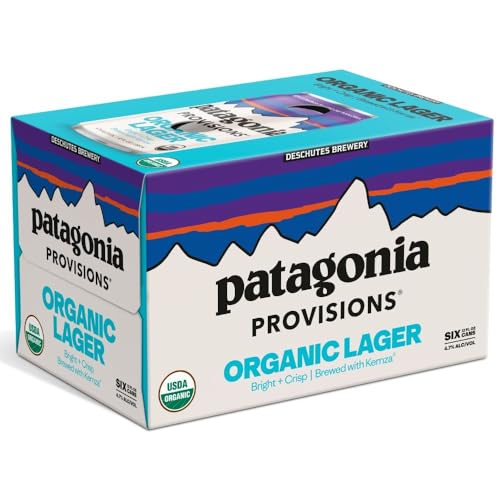

As an Amazon Associate we earn from qualifying purchases at no extra cost to you. Ratings are shown as listed on Amazon.
Miller High Life: lighter body with a soft, sparkling finish
Miller High Life is around 4.6% ABV and is known for its bright carbonation and delicate malt character. It is less suited to someone searching for intense hop aroma, but it works well when the beer should refresh rather than dominate the meal. Serve it cold with fried seafood, potato dishes, simple sandwiches, or salty snacks.
Heineken: a clean international pale lager
Heineken typically sits near 5% ABV and offers more noticeable herbal hop character than many mass-market American lagers. The body remains fairly light, but the finish is somewhat drier and more bitter. It is a useful middle ground for shoppers who find light lagers too bland but do not want the assertiveness of a heavily hopped pilsner.
Modelo Especial: fuller grain and gentle sweetness
Modelo Especial is approximately 4.4% ABV, with a medium-light body, soft malt sweetness, and restrained bitterness. Its slightly rounder texture pairs particularly well with grilled meats, tacos, nachos, and foods containing lime or chili. If you prefer a lager with more presence than a light American beer, but still want an easy-drinking option, it is a strong everyday pick.
Craft and traditional lagers worth seeking out
Pilsner Urquell: the benchmark for a bitter, spicy pilsner
Pilsner Urquell, from the Czech Republic, is about 4.4% ABV. It has a noticeable bitterness, floral-spicy hop aroma, and a firm but rounded malt foundation. Compared with a typical American lager, it tastes more structured and finishes drier. It is especially good with roast pork, fried chicken, sausages, and pretzels because the bitterness cuts through fat while the malt complements browned food.
Bitburger Premium Pils: lean, dry, and hop-led
Bitburger is a German pilsner near 4.8% ABV. Its profile is crisp and relatively dry, with a clean grain note and prominent but controlled hop bitterness. Select it when you want a refreshing beer that leaves the palate clean after each sip. It is a natural match for fish and chips, shellfish, grilled chicken, and salty appetizers.
Samuel Adams Boston Lager: a maltier craft-classic profile
Samuel Adams Boston Lager is generally around 5% ABV and is built around toasted malt, caramel-like richness, and noticeable floral hop bitterness. It is fuller and more complex than a standard light lager, though not as sharp or dry as a classic pilsner. Pair it with roast chicken, burgers, barbecue, baked beans, or aged cheddar.
Jack’s Abby House Lager: a clean craft option for regular drinking
Jack’s Abby House Lager is a German-style craft lager commonly listed around 4.5% ABV. It emphasizes clean fermentation, light bread-like malt, and moderate bitterness rather than novelty ingredients. This makes it a practical craft purchase for someone who wants more freshness and brewery character without moving into a strong or experimental beer.
Ayinger Celebrator: rich doppelbock for cold-weather meals
Ayinger Celebrator is a doppelbock of roughly 6.7% ABV. Expect dark toasted malt, raisin-like depth, caramel, and a warming finish with limited hop bitterness. It is not the best choice for mowing-the-lawn refreshment or a long summer session. Instead, serve it with braised meat, smoked sausages, mushroom dishes, or a chocolate dessert.
How to choose by crispness, bitterness, malt, and strength
- For the crispest finish: look for American light lager, German pilsner, or a dry-hopped lager with a stated dry finish. High carbonation can make a beer seem even more refreshing.
- For low bitterness: choose light lager, pale American lager, or Munich-style helles. These styles emphasize grain and refreshment rather than a sharp finish.
- For noticeable bitterness: choose Czech pilsner, German pilsner, or India pale lager. “Pilsner” does not always mean highly bitter, so check the brewery’s bitterness description where available.
- For malt character: choose Vienna lager, amber lager, märzen, or doppelbock. Look for words such as toasted, bready, crusty, nutty, or caramel.
- For a lower-alcohol session: select a beer between 3.5% and 4.5% ABV. These are easier to drink slowly over a meal, but can taste thinner if the recipe lacks malt balance.
- For a stronger pour: choose doppelbock, märzen, or a strong lager between 6% and 9% ABV. Pour a smaller serving and give it time to warm slightly so the malt aromas become clearer.
Buying guide: match the beer to your priority
| Your priority | Look for | Avoid if you dislike | Good starting point |
|---|---|---|---|
| Lowest cost for a gathering | Multi-pack American lager or light lager, around 4–5% ABV | Small-batch imports and high-ABV specialty beers | Budweiser or a comparable local lager |
| Learning to notice hop flavor | Czech or German pilsner | Very light lager with minimal bitterness | Pilsner Urquell or Bitburger |
| Pairing with rich food | Moderate-to-high bitterness and dry finish | Sweet, heavy lager with low carbonation | German pilsner |
| Pairing with grilled or roasted food | Medium malt body and restrained bitterness | Extremely delicate light lager | Samuel Adams Boston Lager or Vienna lager |
| One beer for varied preferences | 4.5–5.0% ABV, medium-light body, moderate bitterness | Strong doppelbock or very bitter pilsner | Modelo Especial or a well-made helles |
Serving and storage details that change the result
Most pale lagers show their best balance at about 3–7°C, while maltier amber lagers and doppelbocks can be served slightly warmer, around 7–10°C. An excessively cold beer suppresses both malt and hop aroma, making a well-made lager seem flat in flavor even when carbonation is correct.
Check the package date when possible, particularly for craft pilsners and other hop-forward lagers. Light and heat are major enemies: store bottles and cans upright in a cool, dark place, and avoid leaving them in a hot car. Use a clean glass, because grease can collapse the head and make carbonation feel dull. Pour at an angle, then straighten the glass near the end to create a modest foam cap.
A common buying mistake is treating ABV as a quality measure. A 4.5% pilsner can have more flavor and better food compatibility than a 9% strong lager; the right choice depends on the occasion. Another is choosing only by color. A pale beer can be bitter and aromatic, while a dark lager can be smooth and lightly hopped.
Final recommendation
For a dependable classic, choose Budweiser, Modelo Especial, or Heineken according to whether you prefer lighter, rounder, or more herbal character. For a more expressive crisp lager, start with Pilsner Urquell or Bitburger. If toasted malt appeals to you, try Samuel Adams Boston Lager or a Vienna lager; for a richer after-dinner beer, Ayinger Celebrator is the stronger choice. The best lager is ultimately the one whose bitterness, malt weight, and alcohol level fit both the food and the pace of the occasion.



Write Your Review
No reviews yet. Be the first to share your experience!